
📝 Tokyo Ramen Festa; Sampling Japan’s Ramen Tradition
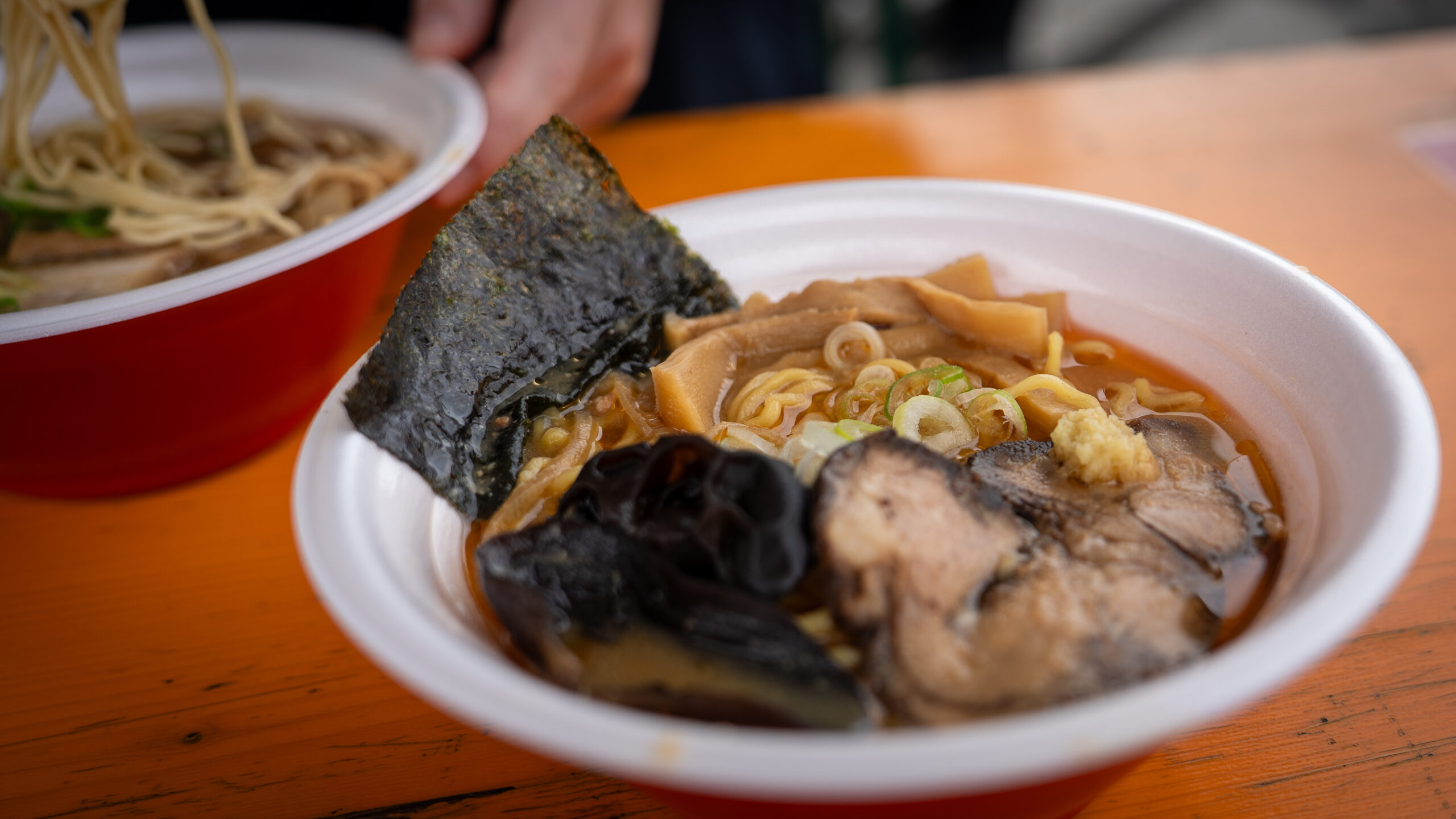
On our last day in Japan we took the train to Komazawa Olympic Park for the Tokyo Ramen Festival.
Tokyo Ramen Festa, as it is known, is held every year for three weeks in the fall. Each week, 13 kinds of ramen are offered, representing a variety of traditions, and a few experiments, from across the country. Each week is called an “act” and offers a new set of 13 styles. So during the duration of the three-week festival, 39 different ramens were offered.
It is ramen heaven.
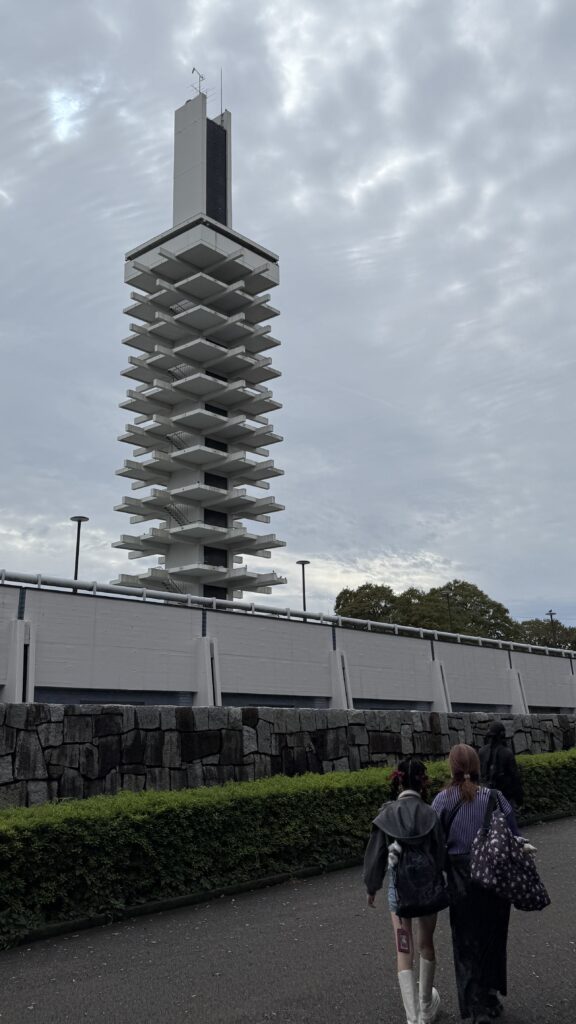
 Visitors approach Tokyo Ramen Festa beneath the landmark tower of Komazawa Olympic Park.
- With thirteen regional ramen shops represented, choosing just one bowl was nearly impossible.
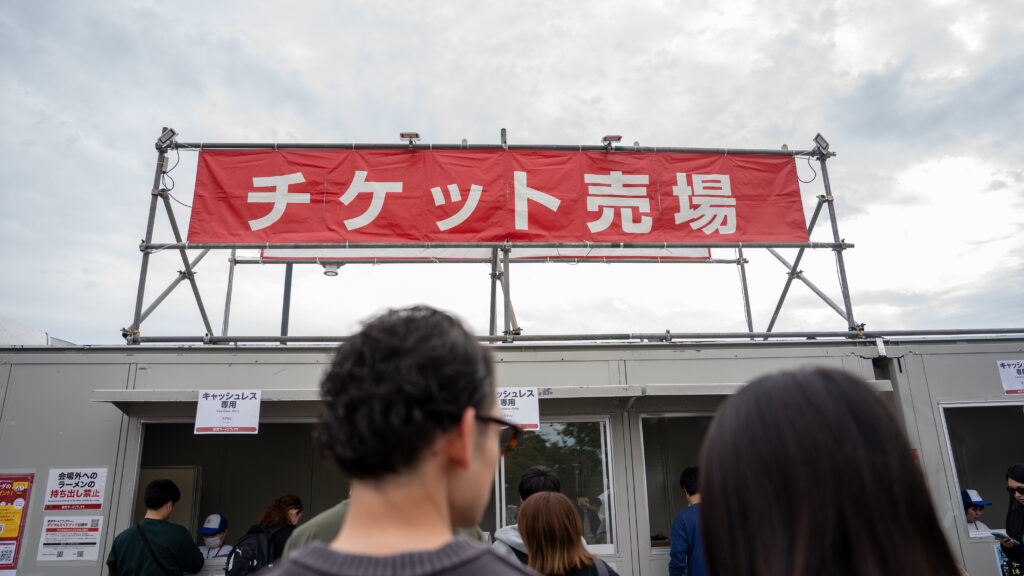
- Visitors purchased meal tickets before choosing which regional ramen to sample.
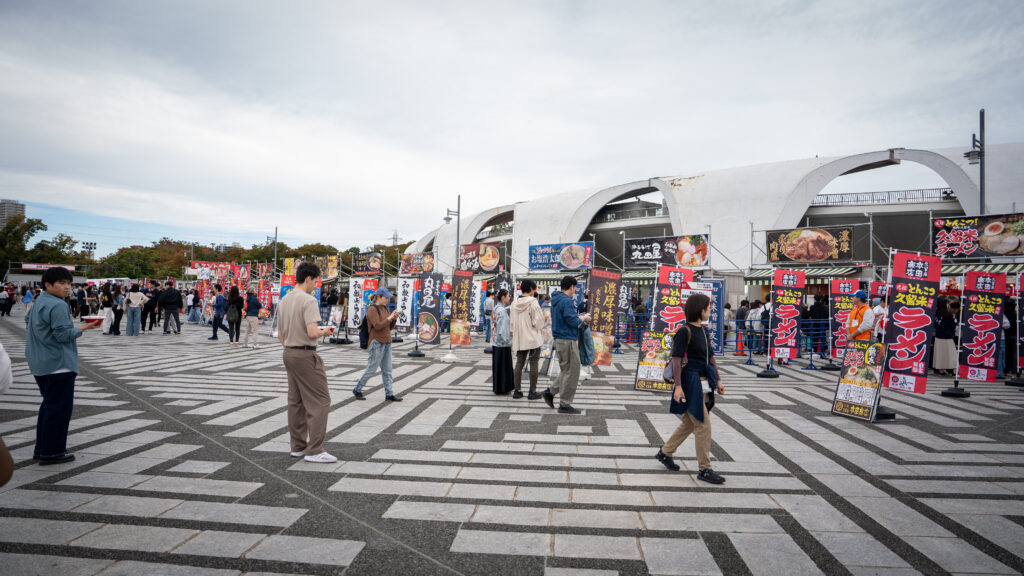
Held in the central square of the vast park that was integral in hosting the 1964 Summer Olympics, the festival is something I cannot wait to attend again. We were there for Act 3, and it was hard not to think about the 26 kinds of ramen offered in the weeks before we attended. There simply isn’t enough time in the day, nor room in my stomach, to sample all the different offerings.
That doesn’t mean I didn’t try.
Entrance into the square is free. We bought ramen tickets for 1100 yen each at the ticket booth (they’re also available nationwide at 7-11), then exchanged the tickets for bowls at the booths.
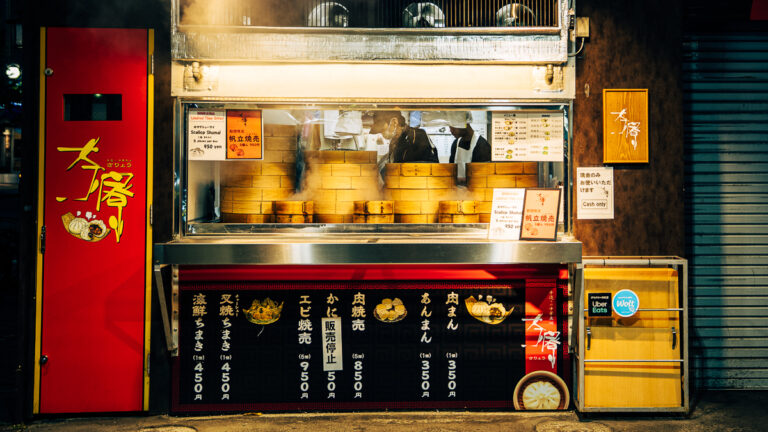
The ramen booths are lined up in a neat row on one side of the plaza, along with a gyoza booth in case you need something different, and a Suntory booth selling beer and drinks.
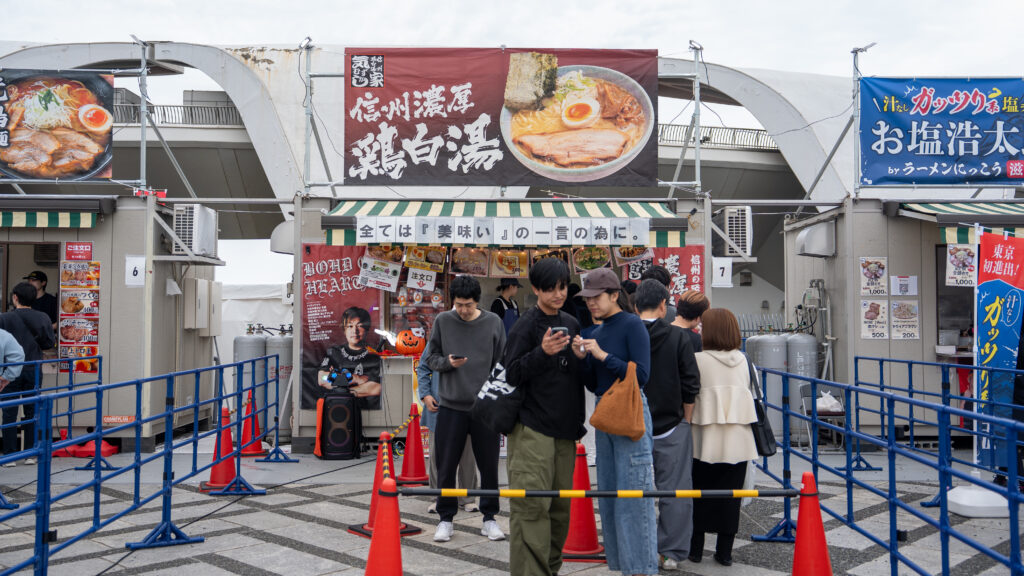 Comparing options while waiting was almost as much a ritual as eating
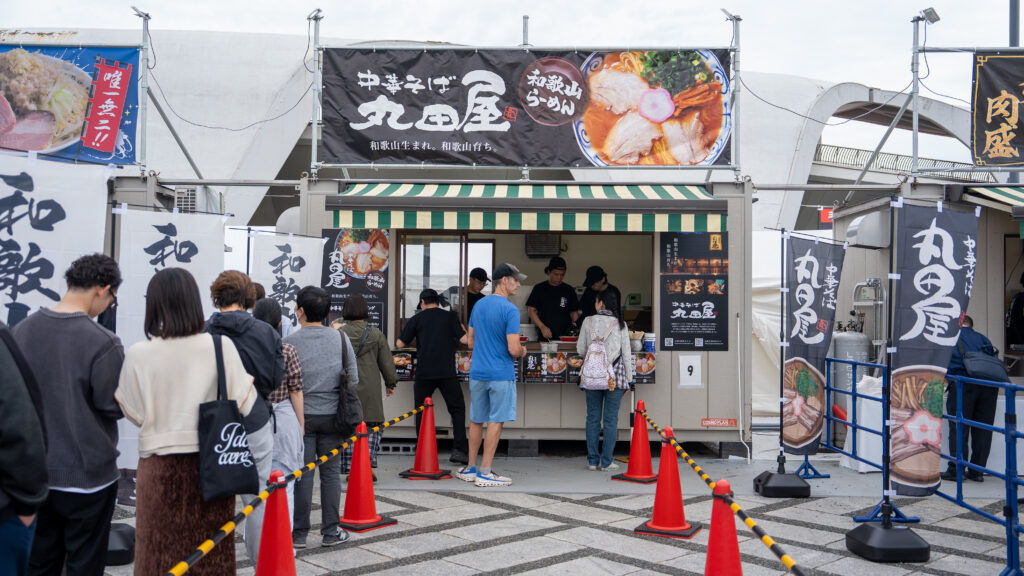 A steady line forms outside Ramen Marutaya, where festival-goers waited to try Wakayama Tonkotsu Soy Sauce Ramen, a regional specialty combining rich pork-bone broth with soy sauce. Promoted as “Born and raised in Wakayama,” the bowl celebrated one of Japan’s classic local ramen styles.
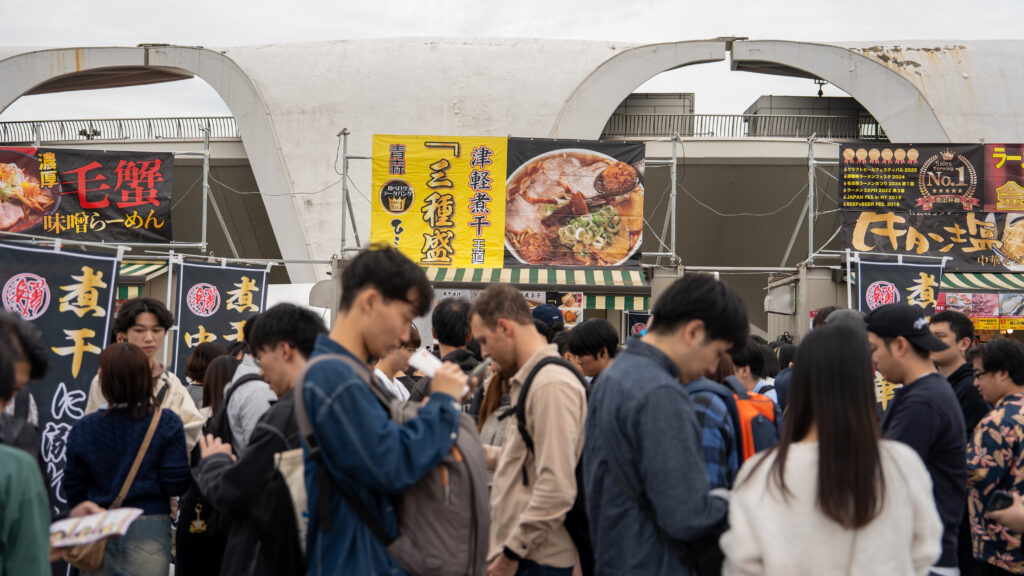 Festival goers queue for a classic Tsugaru-style dried sardine ramen.
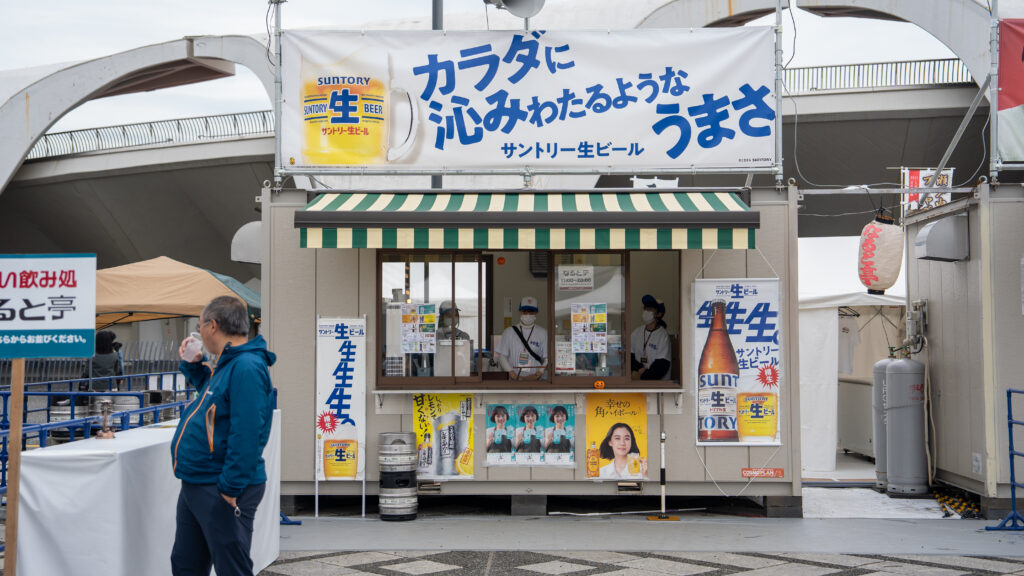 Cold drinks helped balance the rich flavors of dozens of ramen styles.
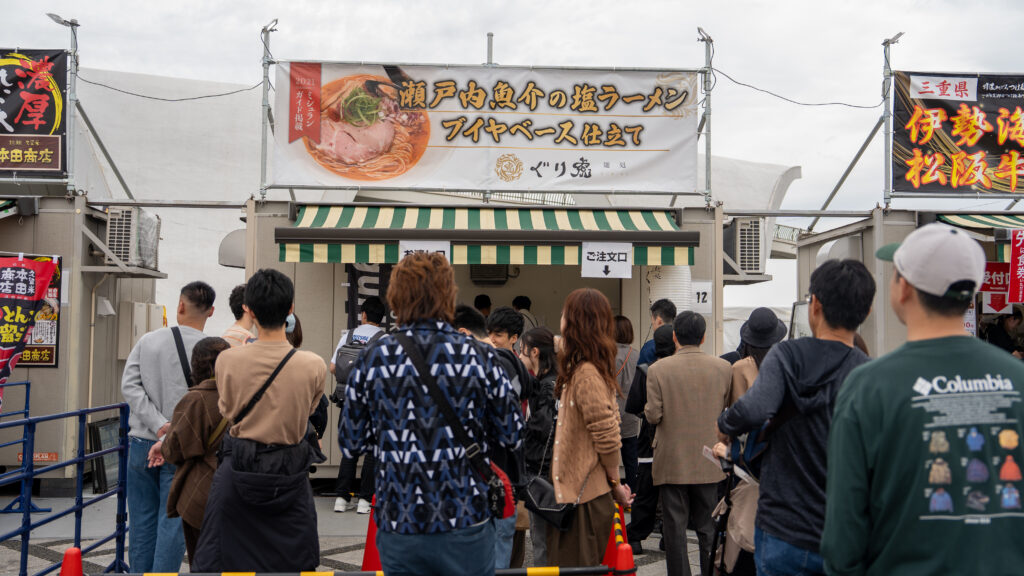 Seafood from Japan’s Inland Sea inspired this lighter regional ramen.
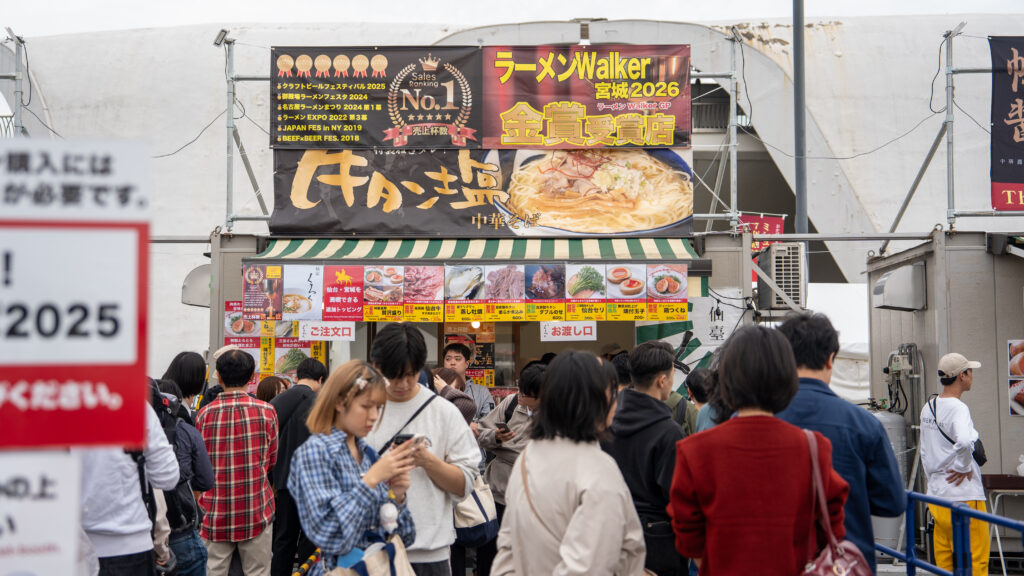 Tender beef tongue drew long lines at the Sendai-inspired ramen stand.
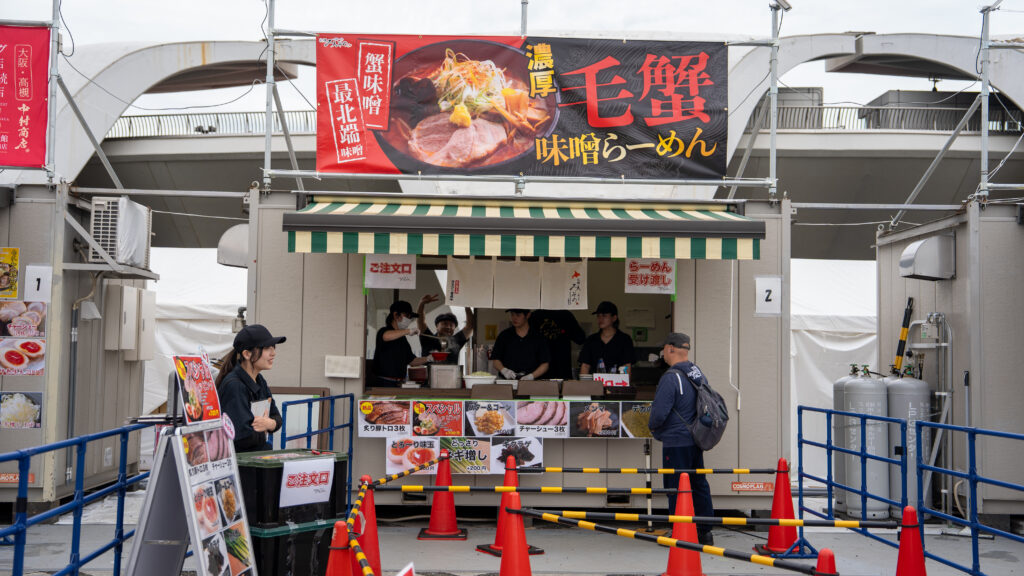 Hokkaido’s famous hairy crab and traditional miso take center stage at this booth.
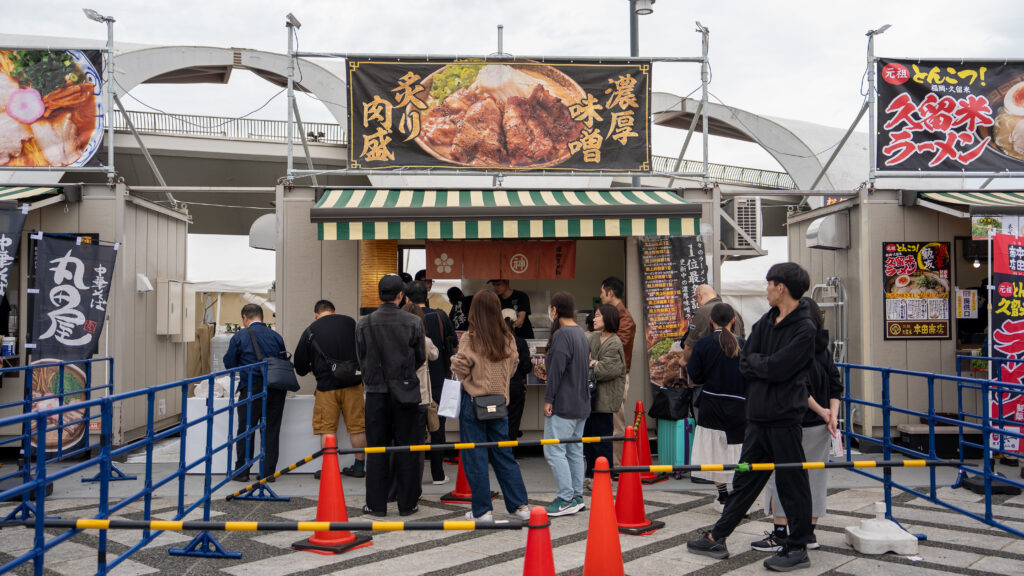 Visitors line up at the Saga Miso Noodle Club booth for its Rich Miso “Flame-Grilled” Meat Ramen, featuring Kaga miso and flame-grilled pork belly. The regional specialty highlighted locally certified ramen traditions with a deeply savory, hearty bowl.
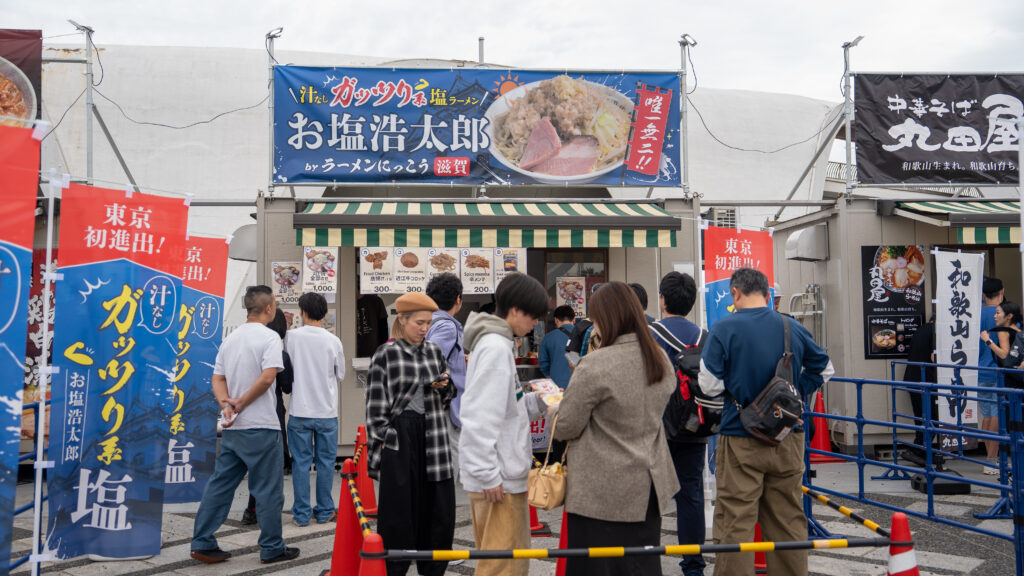 Not every featured noodle dish came with broth.
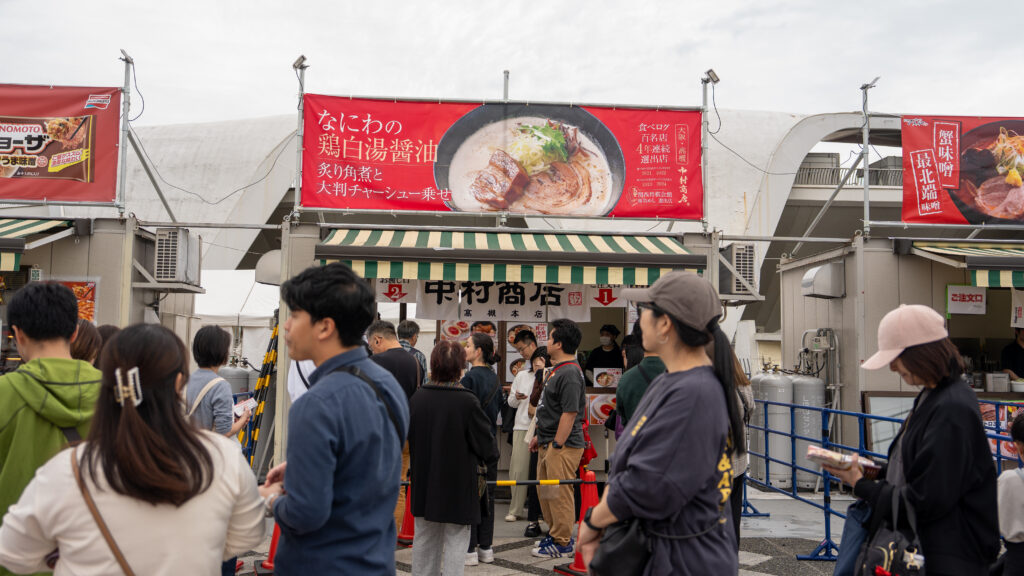 Osaka’s dashi traditions inspired this rich chicken and seafood ramen.
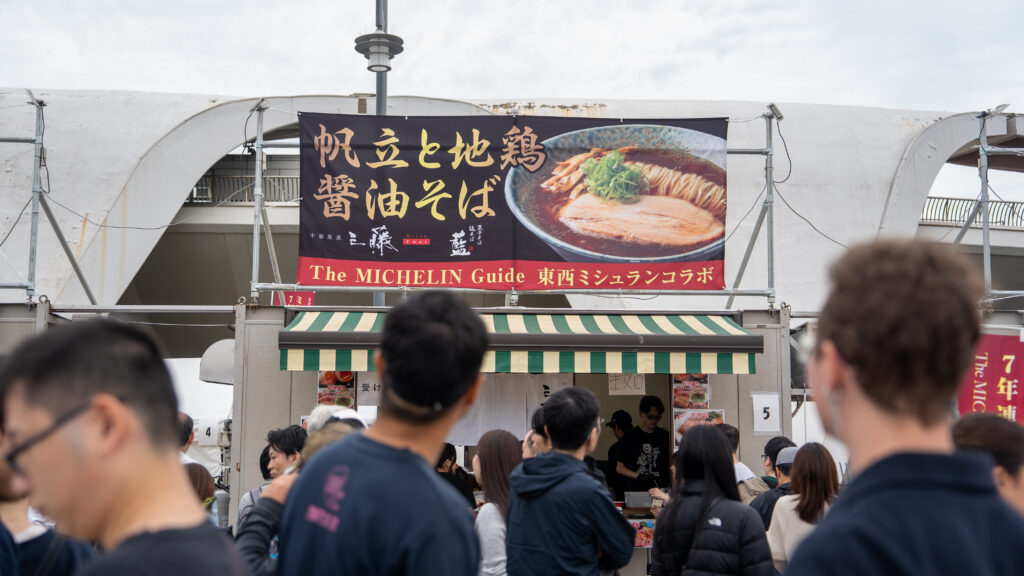 A collaboration between renowned ramen shops combined premium chicken and seafood broths.
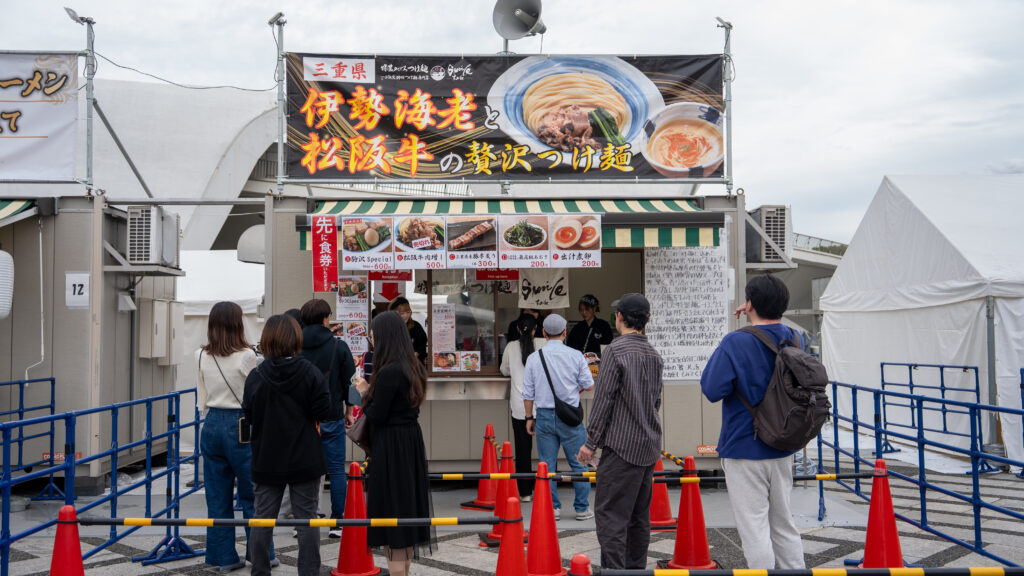 Premium regional ingredients transformed tsukemen into a luxurious specialty.
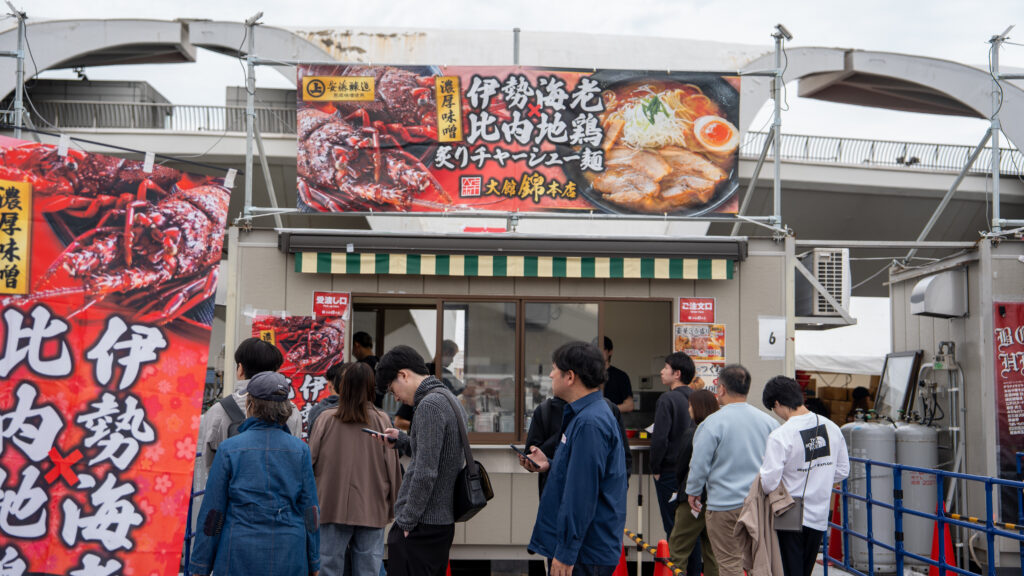 Waiting in line became part of the Tokyo Ramen Festa experience.
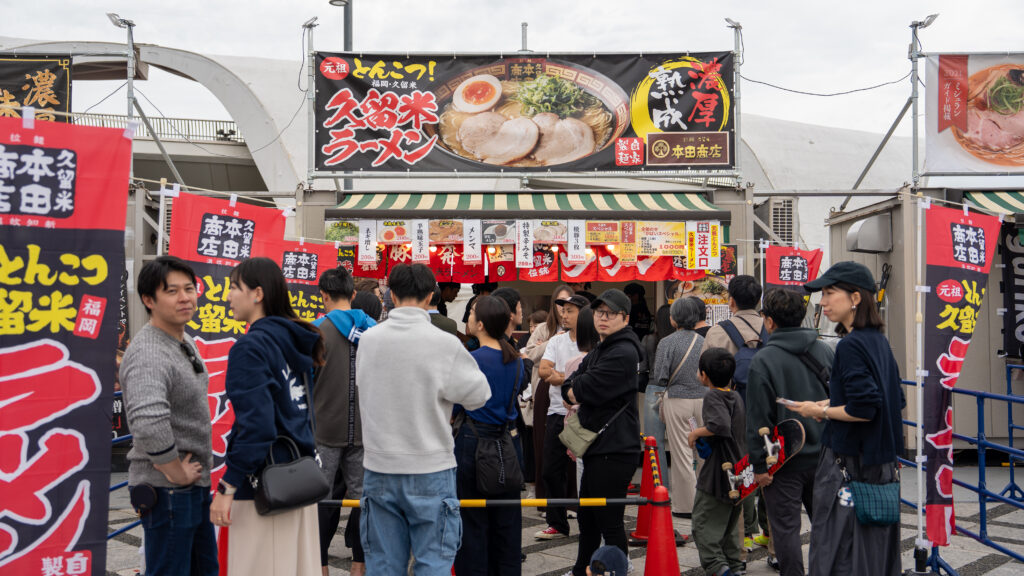 Authentic Kurume tonkatsu ramen proved to be one of the festival’s biggest draws.
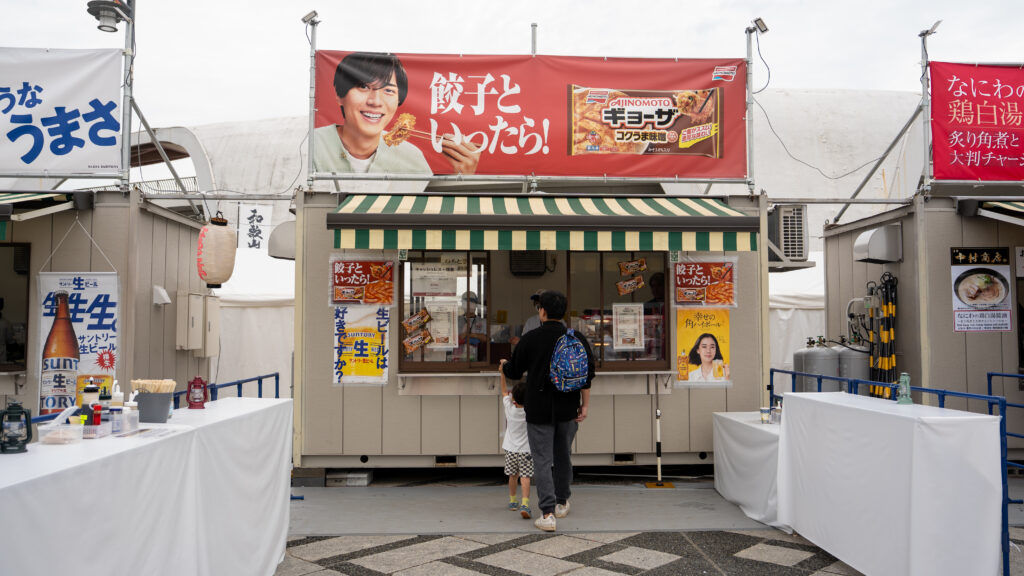 While ramen was the star, side dishes like gyoza were also popular festival fare.
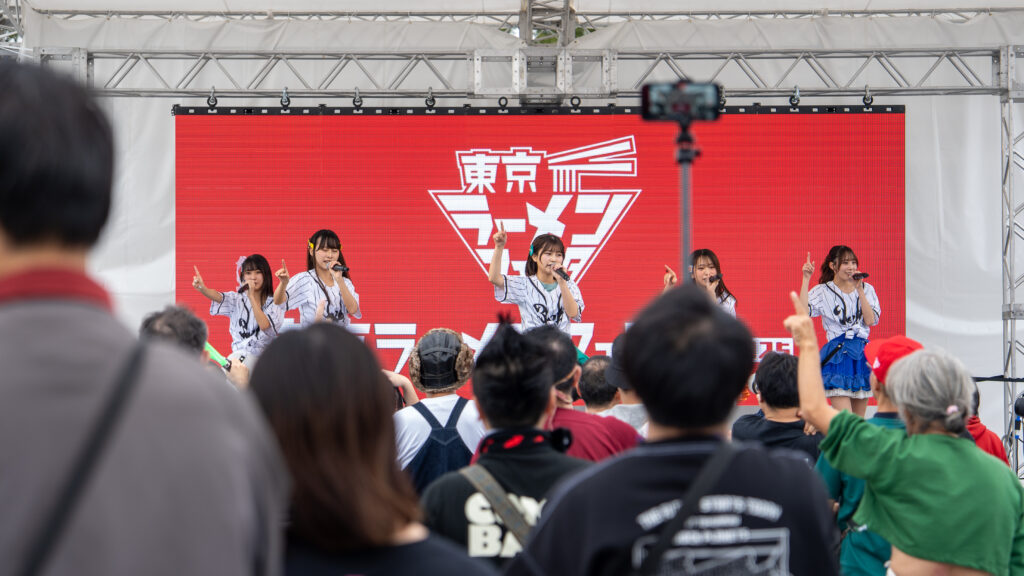
While we were there, an entertainment stage had a revolving door of performers, mostly young boy and girl bands in matching costumes with elaborate choreography. And on the other end of the plaza, in what must be a staple of festivals everywhere, the military performed community relations with a table, friendly people in uniform to answer questions and pieces of equipment for kids to crawl on and pose for their parents’ pictures.
We walked the row of ramen booths, consulting our printed festival map and guide book. Each stand’s offering was rooted in a regional tradition — Hakata, Sapporo, Tokyo — more of Japan than we could reasonably taste in a single afternoon. Choosing one meant not choosing twelve others, and my stomach grumbled impatiently.
Ramen is composed of five main elements:
We bought four tickets and agreed to share. Mac chose first: “Scallop and Chicken Shoyu Ramen,” which was a collaboration between two well known ramen masters. The banners on this stand featured just two words in English — Michelin Guide. A line was forming pretty quickly at this booth, so it felt right to get in line here.
- After much debate, it was finally time to eat.
- The lady in green knows this routine
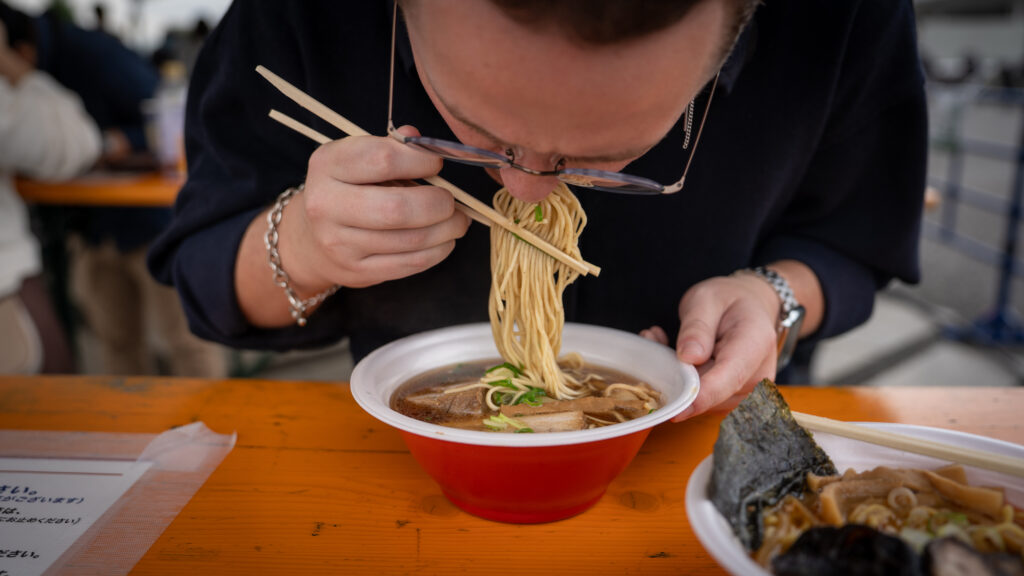
I chose the “Sapporo Rich Hairy Crab Miso Ramen” which has a sweet and marine aroma. The surface shimmered orange with crab oil.
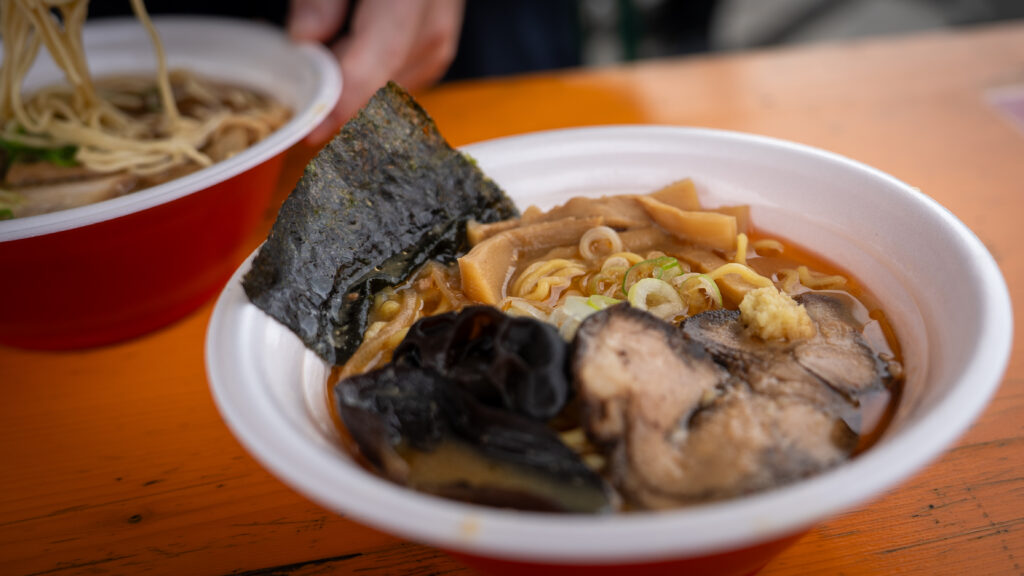
For his second bowl, Mac chose Fukuoka-style “Original Tonkostu! Rich, Replenished Kurume Ramen” which was opaque and pale, its surface pearled with fat. It was perfectly seasoned so that you find yourself rushing through it, always eager for the next bite.
My last bowl was the entry from Mie Prefecture, “Luxurious Tsukemen with Lobster and Mastusaka Beef.” This is a “deconstructed ramen so the noodles are in one bowl, and dipping broth in another. I had never tried this style of ramen before and a ramen festival in Tokyo seemed like the perfect place to do it! The dipping broth was darker, thicker, and more concentrated than any broth, and it coated the noodles after I dipped them.
When I do this again, and I WILL be doing this again, I’ll give myself more time to sample the offerings. Maybe I’ll look for accommodations in the area and consider my dinners decided! I’d also like to spend more time reading the descriptions of each bowl. There is so much history, climate, agriculture and story in each bowl of ramen. I want to know more than just the ingredients.
Naturalist’s Notebook

Notice
Connect the flavor to the land. What do the ramen ingredients tell us about local agriculture, climate, or history?

Taste
Jot down three words that describe the broth without using “salty,” “rich,” or “delicious.”

Ask
If your hometown were represented by one bowl of soup, what ingredients would define it? How does this exercise help you better imagine each ramen’s origin?
Its more than just soup
Late Arrival; Four Bowls of Ramen in Tokyo
Read the companion essay on Substack for the more personal story behind this visit—and how letting go of my expectations changed the way I experienced Japan.