
📝 Warming Up in Sapporo: Soup Curry Season
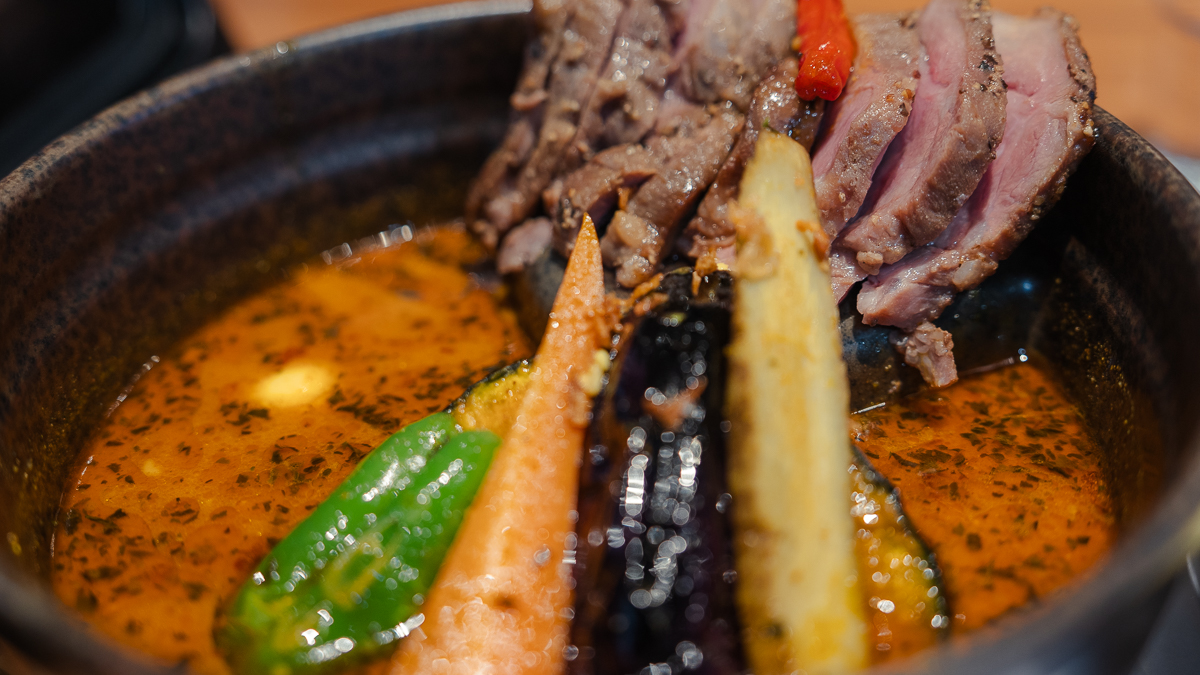
Soup curry isn’t just Sapporo’s comfort food — it’s a dish shaped by this northern climate and the people who’ve learned to thrive in it.
Sapporo’s winters see temperatures regularly drop below freezing and snow accumulations that would bury a first grader. So the soup culture here is strong. And even though autumn was just beginning to nip at our noses when we visited in October, I knew by the first spoonful that this soup is just what we needed.
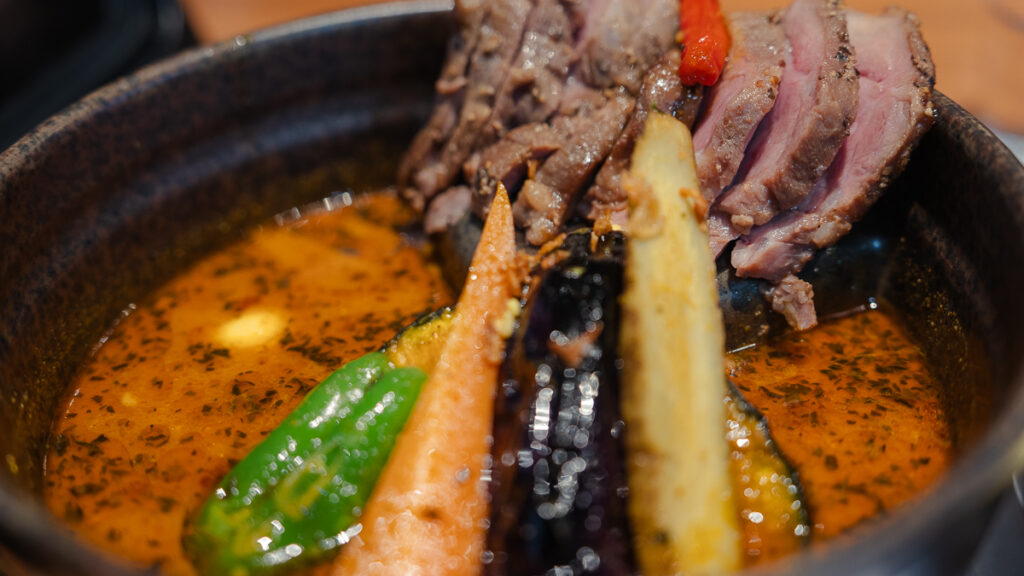
Every element in this bowl—spices, lamb, soft autumn vegetables—says something about this place: the bounty of the harvest, the high quality proteins, and the pristine climate that yields such rich flavor in both of those ingredients.
This shouldn’t be confused with Japanese curry, which uses a thickening agent, like flour, to increase its viscosity and poured over rice (usually). This is a rich soupy broth with chunky ingredients and a served with a bowl of rice on the side. And don’t think that rice on the side means its any less important. Its meant to be included in every bite — load up your spoon with some rice before scooping up the soup curry goodness.
 Choices built around warmth and comfort.
- Menus here feel like love letters to soup curry.
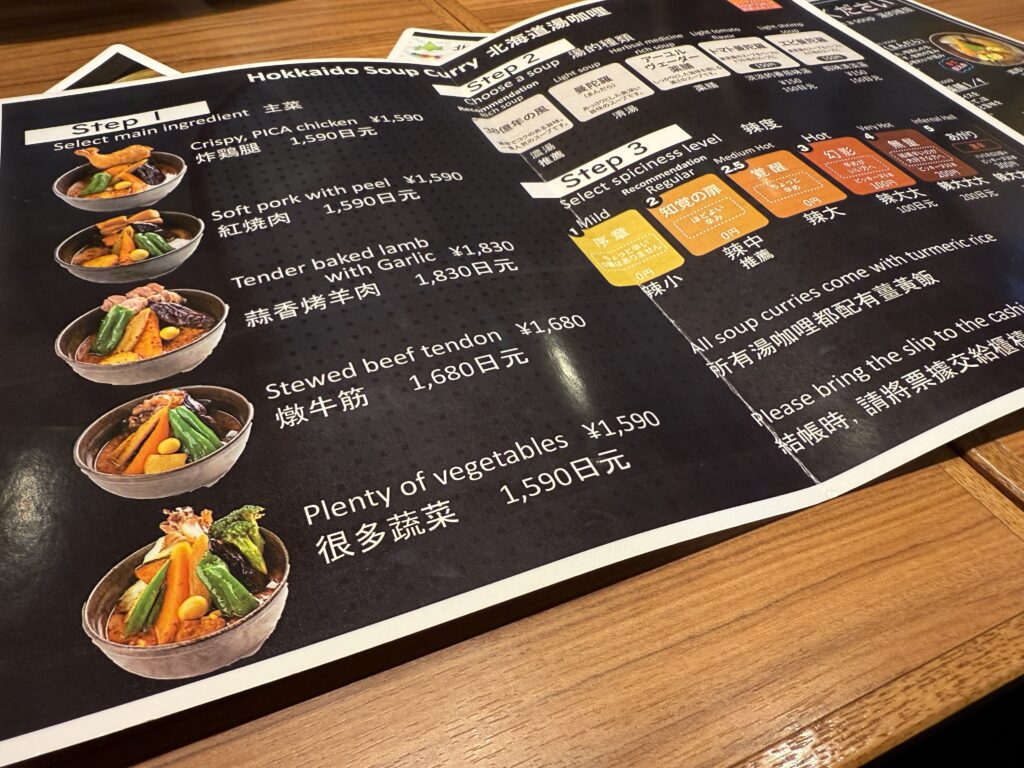
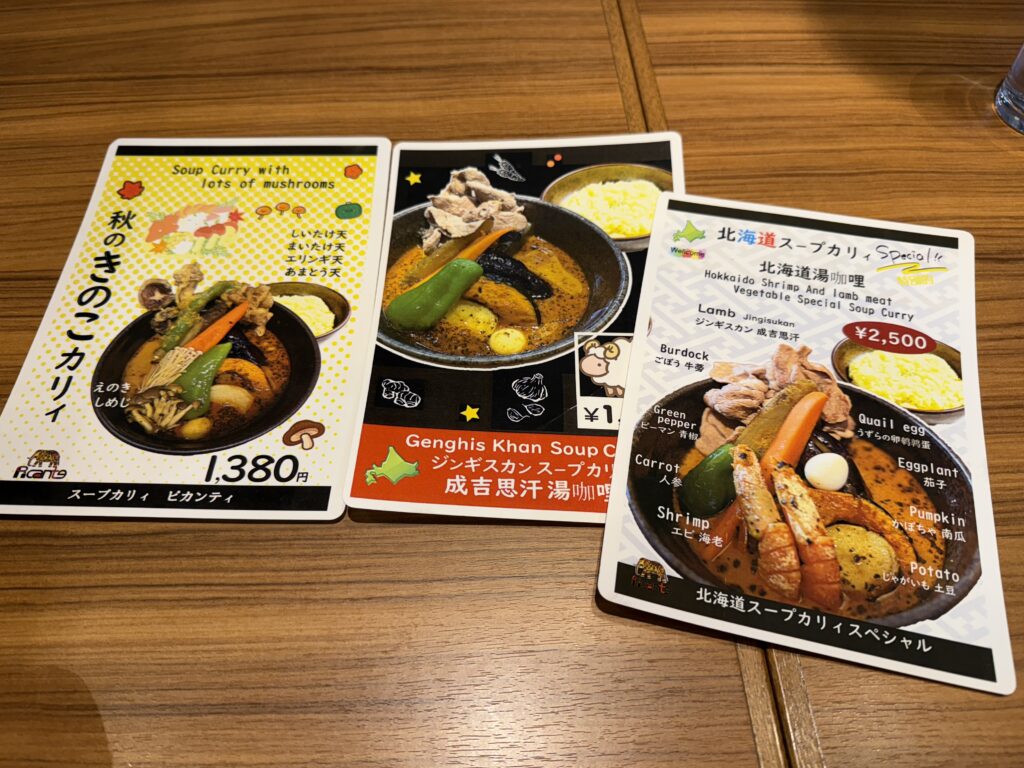
- Sapporo’s iconic soup curry — rich broth, lamb, and hearty vegetables for chilly days.
- Essential balance to every spicy spoonful.
The dish was first created in the 1970s at a Sapporo cafe called Ajanta and was inspired by medicinal herbal soups and curries from across Asia. Originally a thin, spice-filled broth, it evolved when customers asked for meat and vegetables to be added. The dish spread through the ’80s, and a place called Magic Spice later popularized the name. By around 2005, soup curry had become a citywide craze, and now Sapporo boasts more than 200 restaurants serving it.
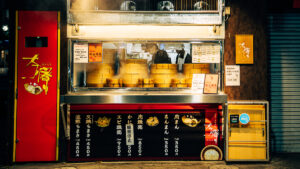
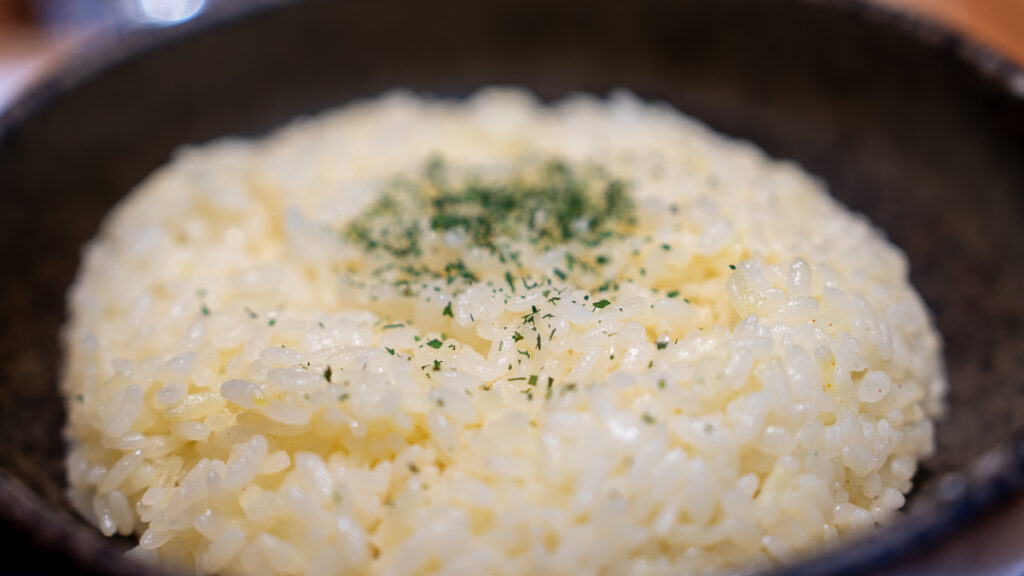
We ate at Picante, a favorite of my friend and host who has lived in Sapporo for decades. In fact it is a lot of people’s favorite, so be prepared to wait in line. We visited around 4pm so we were able to get seated right away. The vegetables were roughly cut into huge chucks but are were so soft and tender they’re easily cut with your spoon. I think the original dish’s protein was chicken, but I ordered mine with lamb and chose a spicy level of 2.5 on a scale of 1 (mild) to 5 (“infernal hell”). The rice had a touch of turmeric and together with the vegetables provided a sweet and tender balance against the rich spices.
It took only one spoonful to understand why soup is practically a survival strategy in Hokkaido. I’m already planning a winter visit to Sapporo, and I may have to have this on an IV drip.
Naturalist’s Notebook

Taste the place
If you were to make this dish using local ingredients from your hometown, how would it differ? What would it taste like?

Eat at the place with no review
When seeking out an iconic dish, its tempting to try to find “the best place.” But it can also be rewarding, in its own way, to find a place without all the hype. Instead of seeking out social media’s latest hot spot, do the opposite. Find a boring looking place in an ugly strip mall, and give it a shot. Not to find a “hidden gem” or anything like that, but just for the sake of exploring.