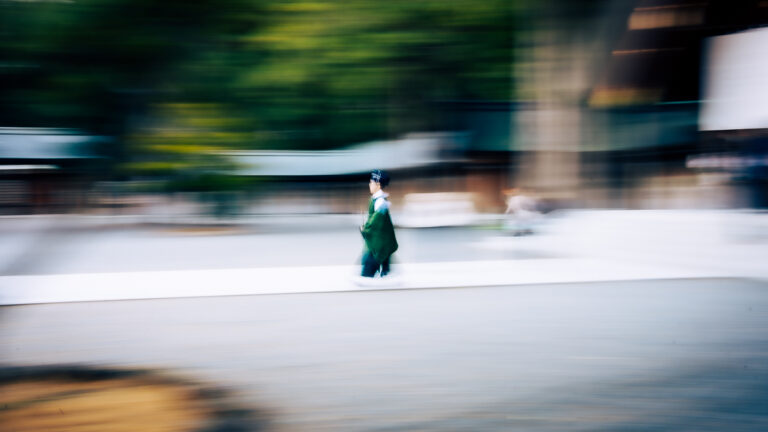

📷 Gotokuji, The Lucky Cat Temple
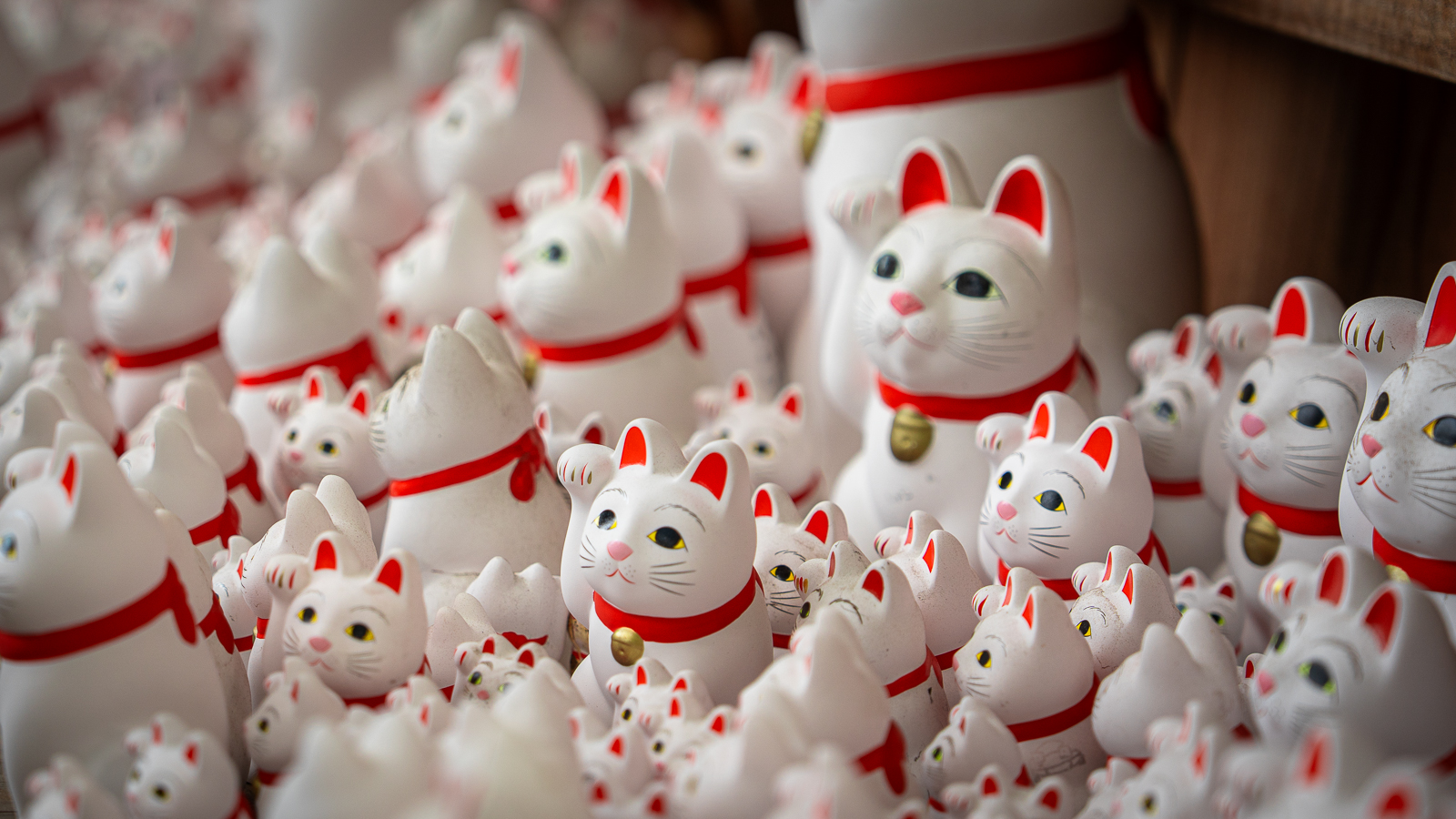
Gotokuji is famous for its cats — rows and rows of white maneki-neko, their paws raised in perpetual beckoning. Visually, its quite satisfying — eye candy almost — with its repetition, the color, the cuteness. There is a reason it’s a favorite stop for travel influencers.
But the temple isn’t about the cats.
The approach to the sought-after figurines is quiet: residential streets, closed gates, trees that interrupt the view. The grounds have held ritual and routine for centuries, their scale and restraint established long before the felines that now draw so much attention.
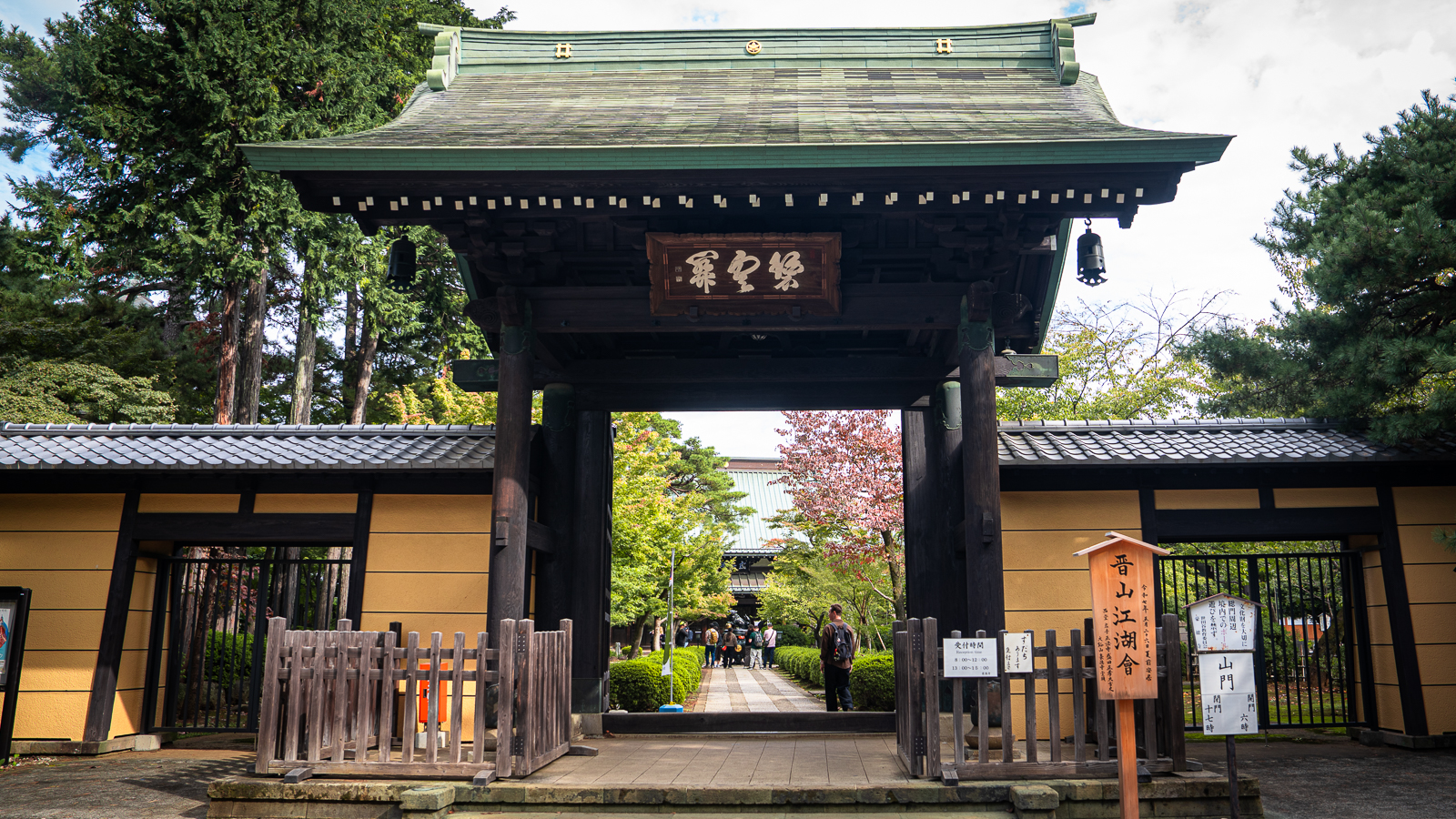 The main gate, rebuilt after the Great Kantō Earthquake.
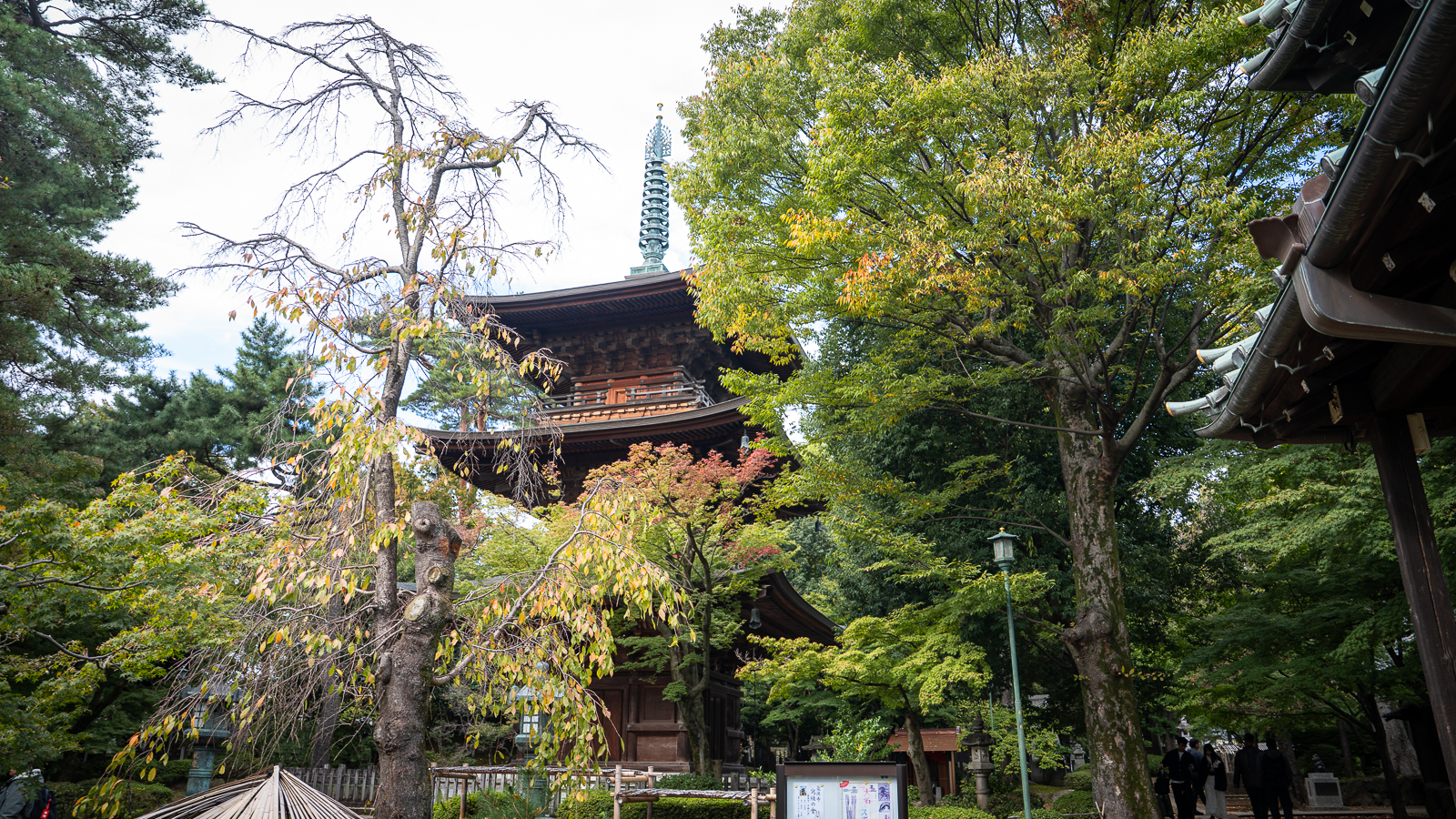 The pagoda appears gradually through the trees.
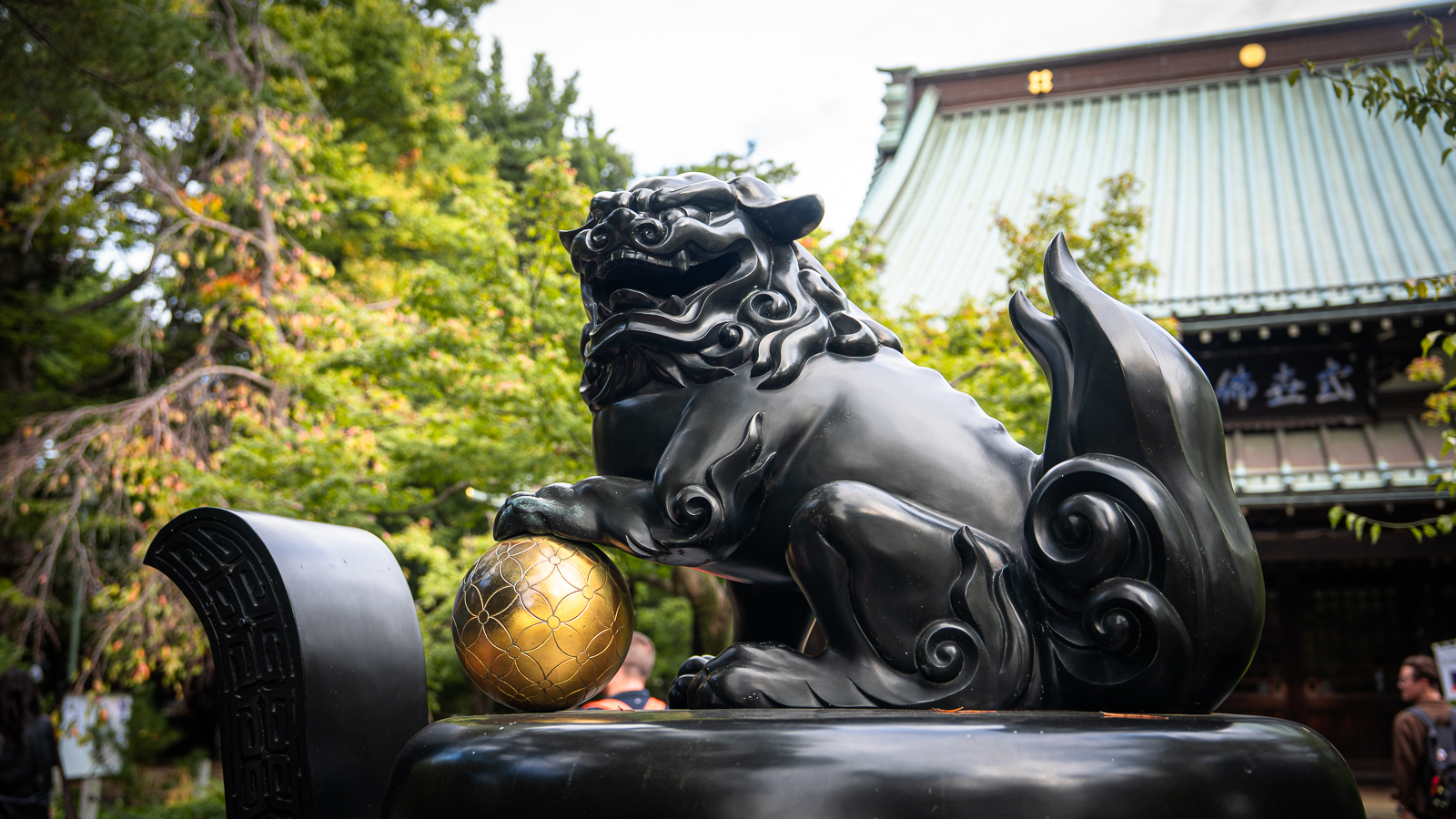 Guardian figures line the approach, grounding the space in ritual.
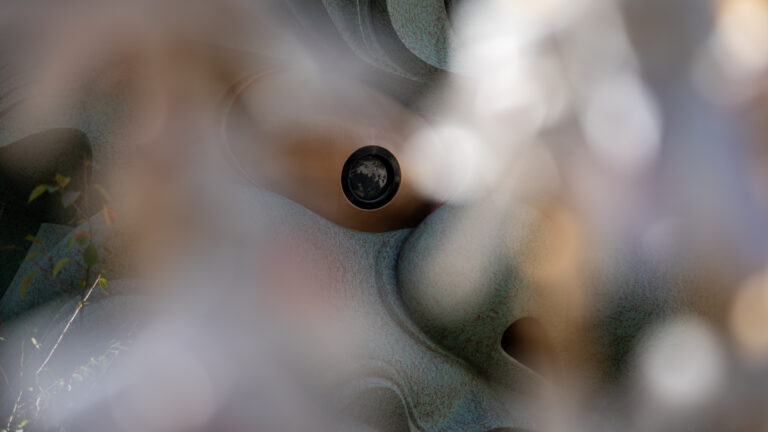
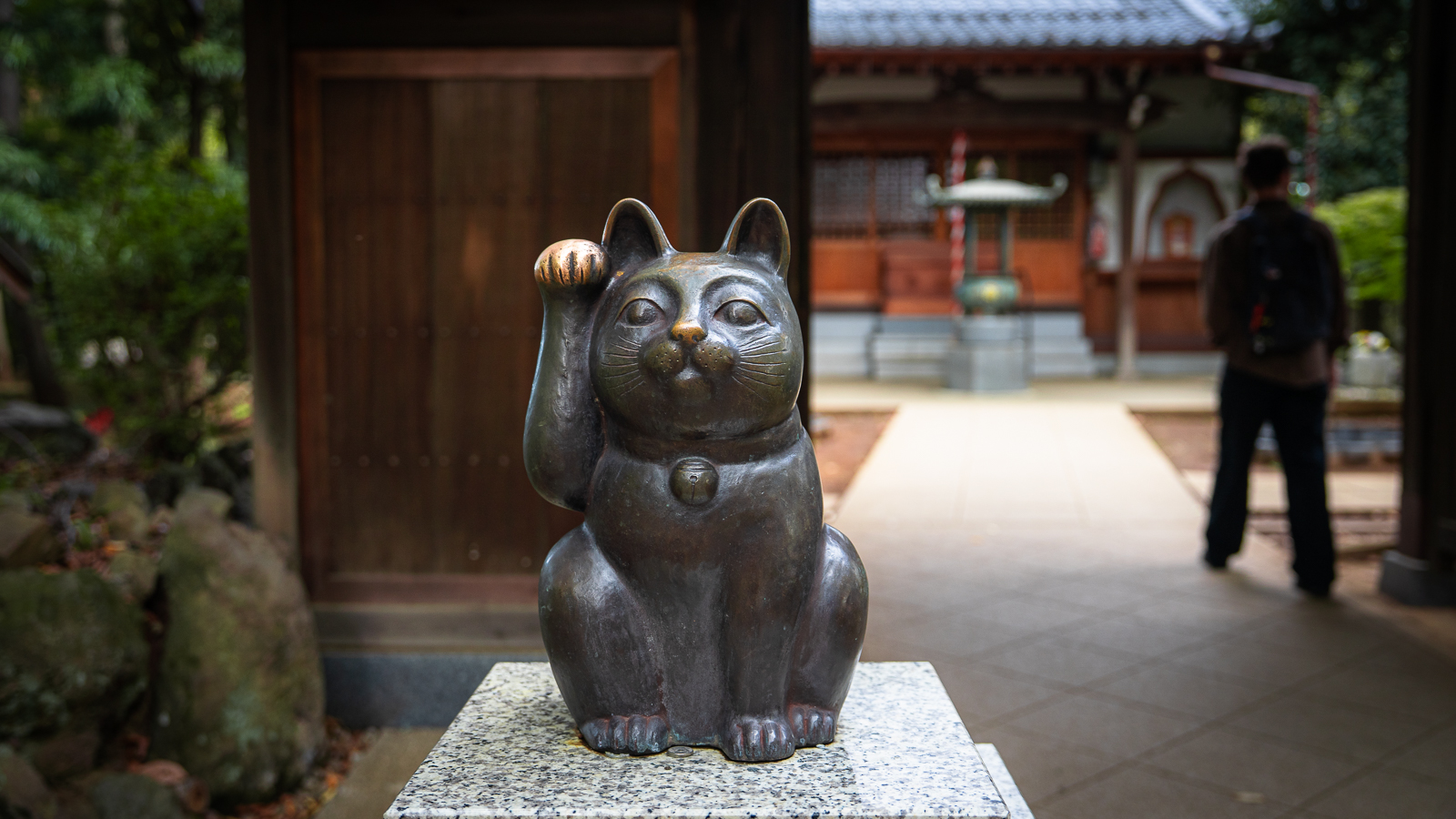 Wear marks reveal how often visitors reach out.
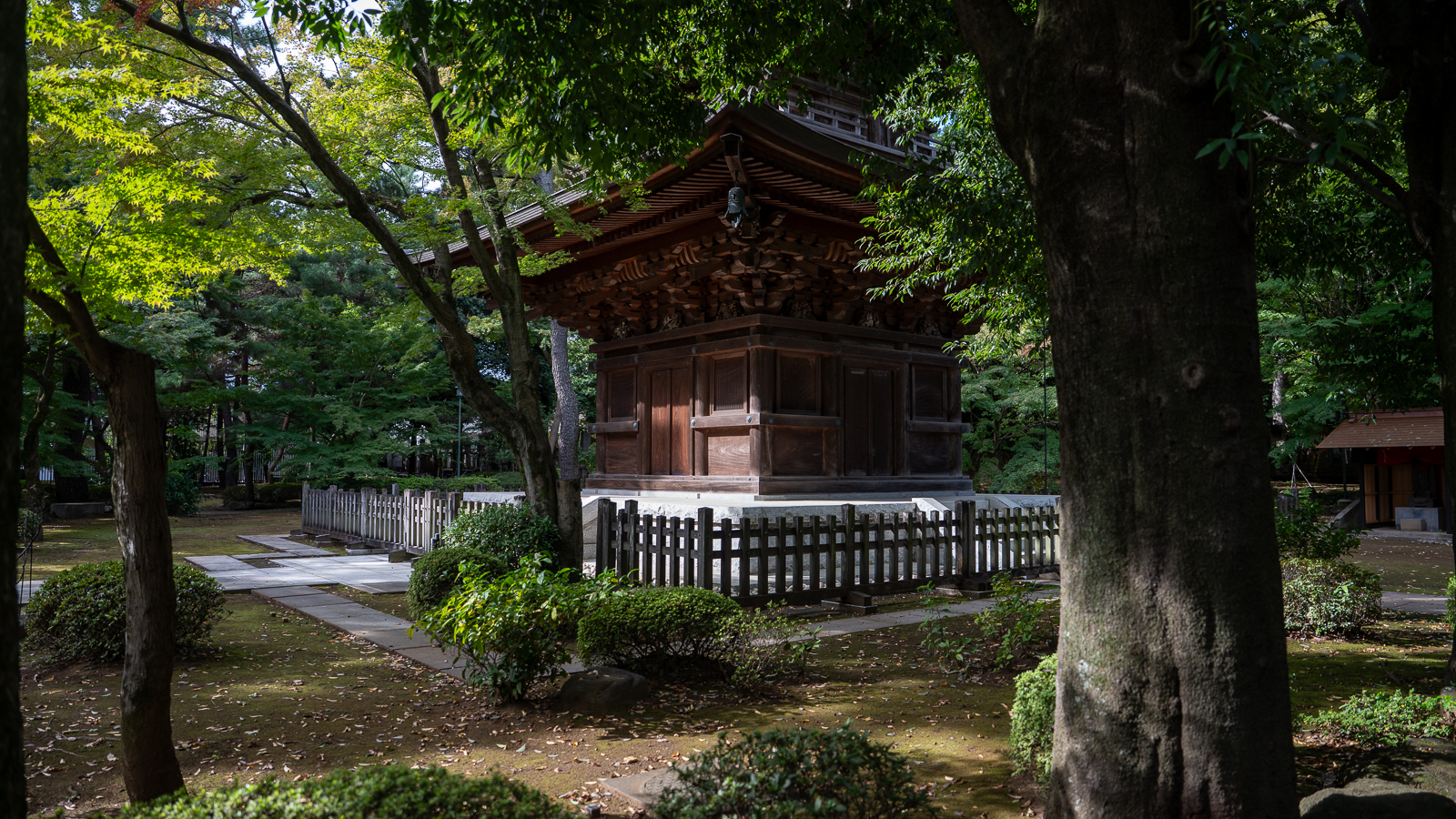 A pagoda held in shadow and stillness.
I’m trying, with this photo essay, to take that slower pace — to linger on the wear and scale—not to catalogue the cats, but what they represent. Each figure was placed by someone who came here with a private hope or by someone who’s dream was fulfilled. What has accumulated is evidence of lives lived.
On screen these cats are adorable. But offline they resist mere cuteness. They become a record of patience, gratitude, and belief—one small human gesture repeated over and over again.
- Repetition begins to take shape.
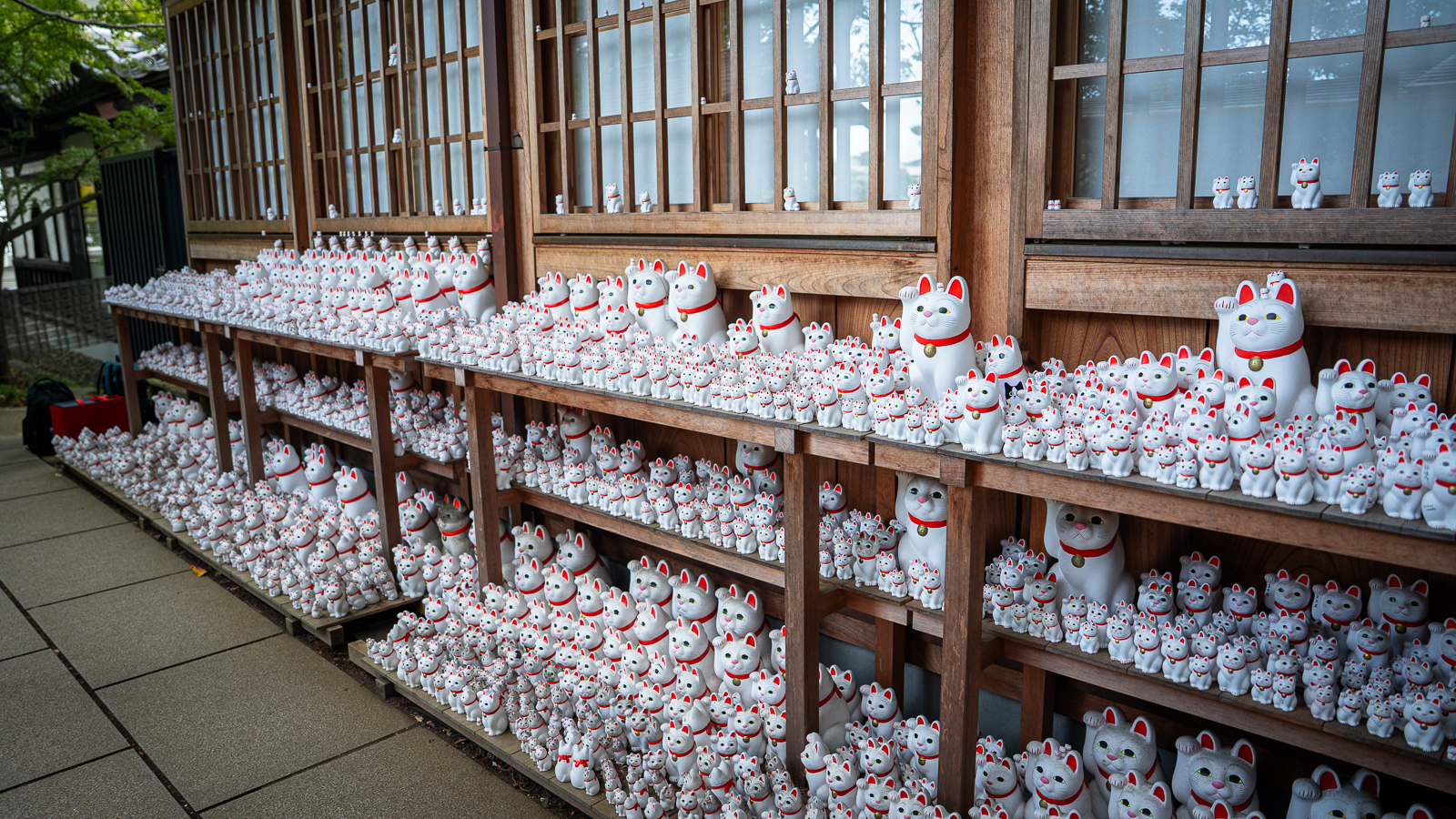 Scale becomes impossible to ignore.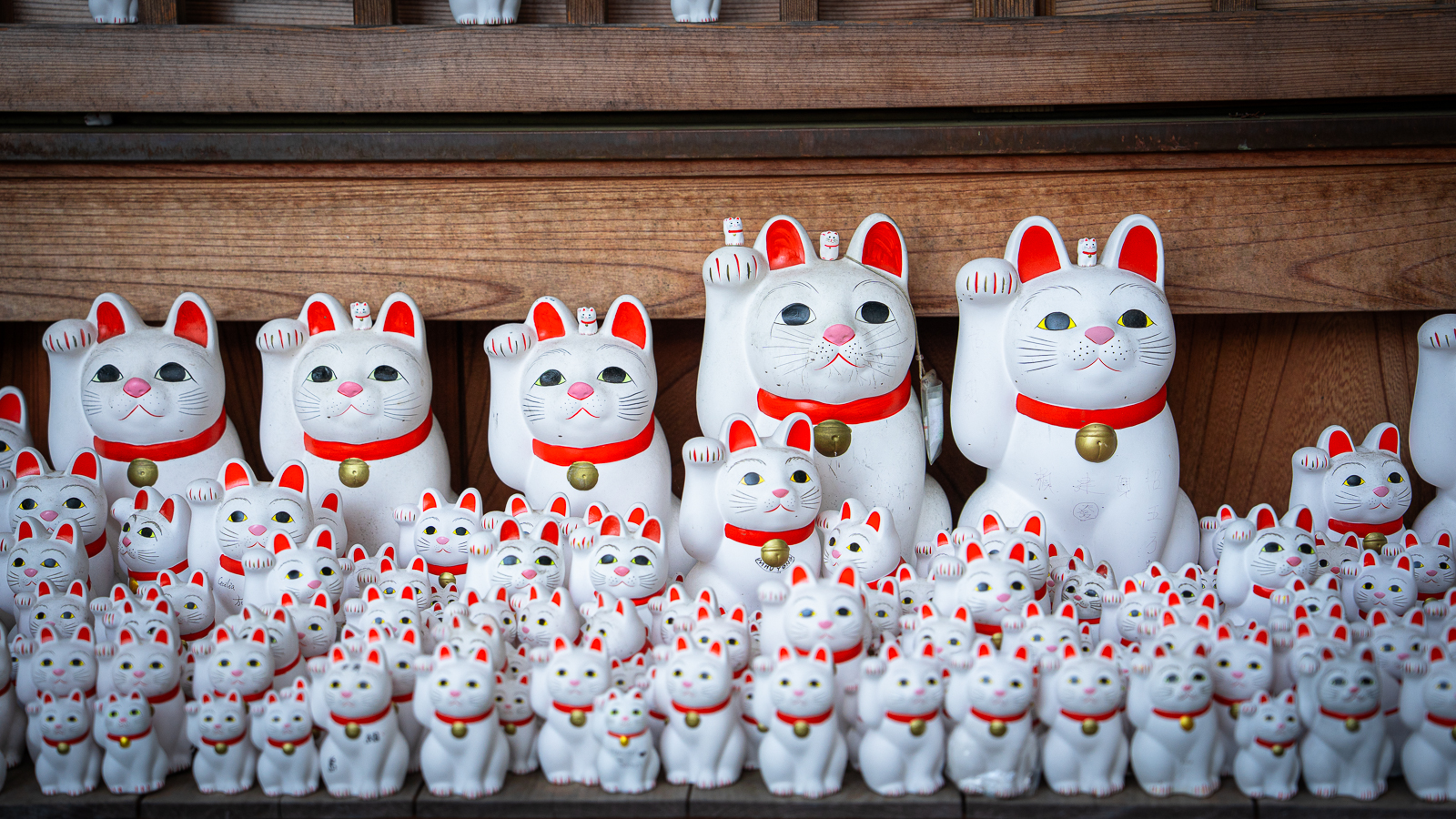
Media description: Shelving emphasizes intentional placement rather than display.
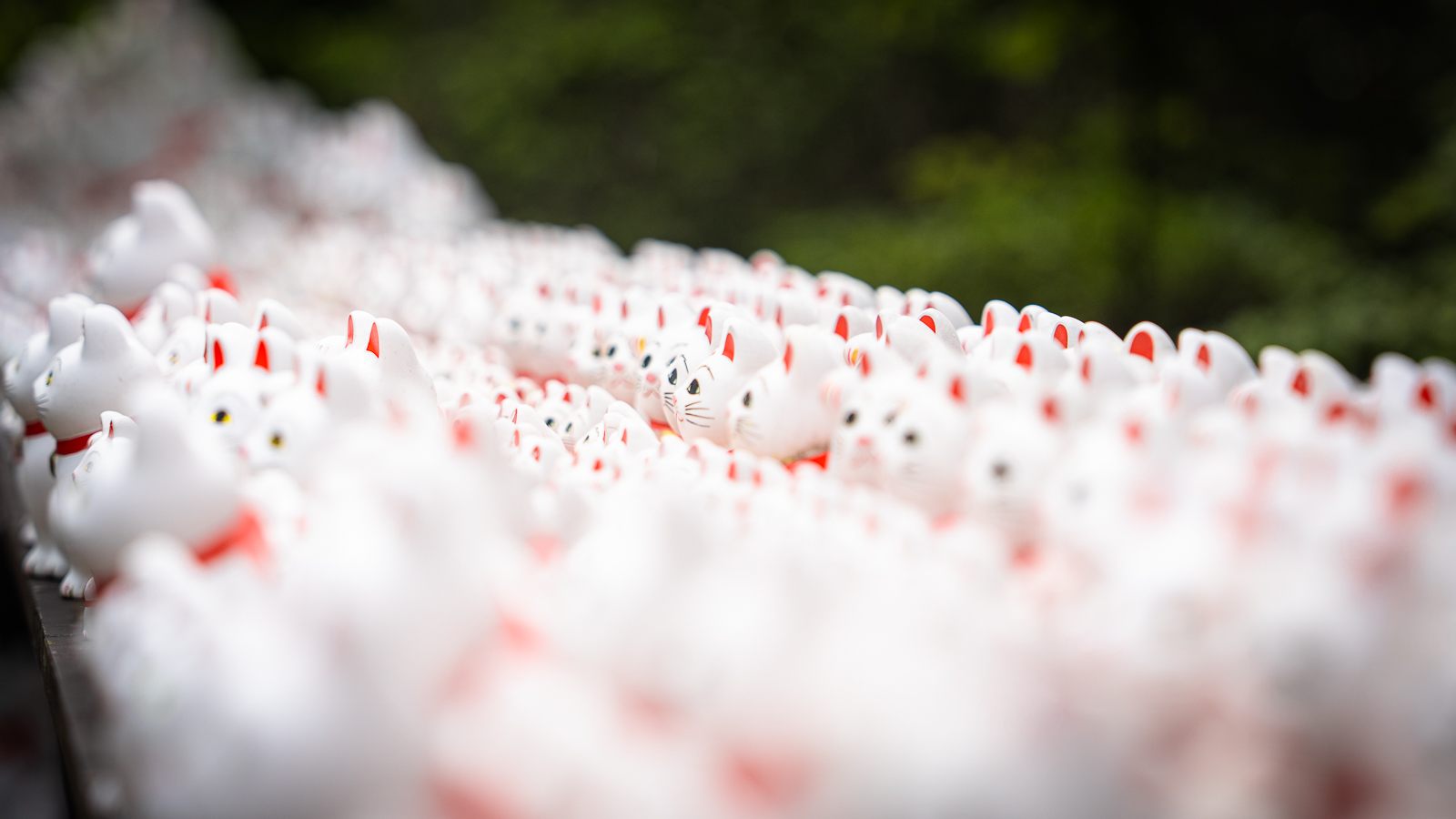 Repetition builds gradually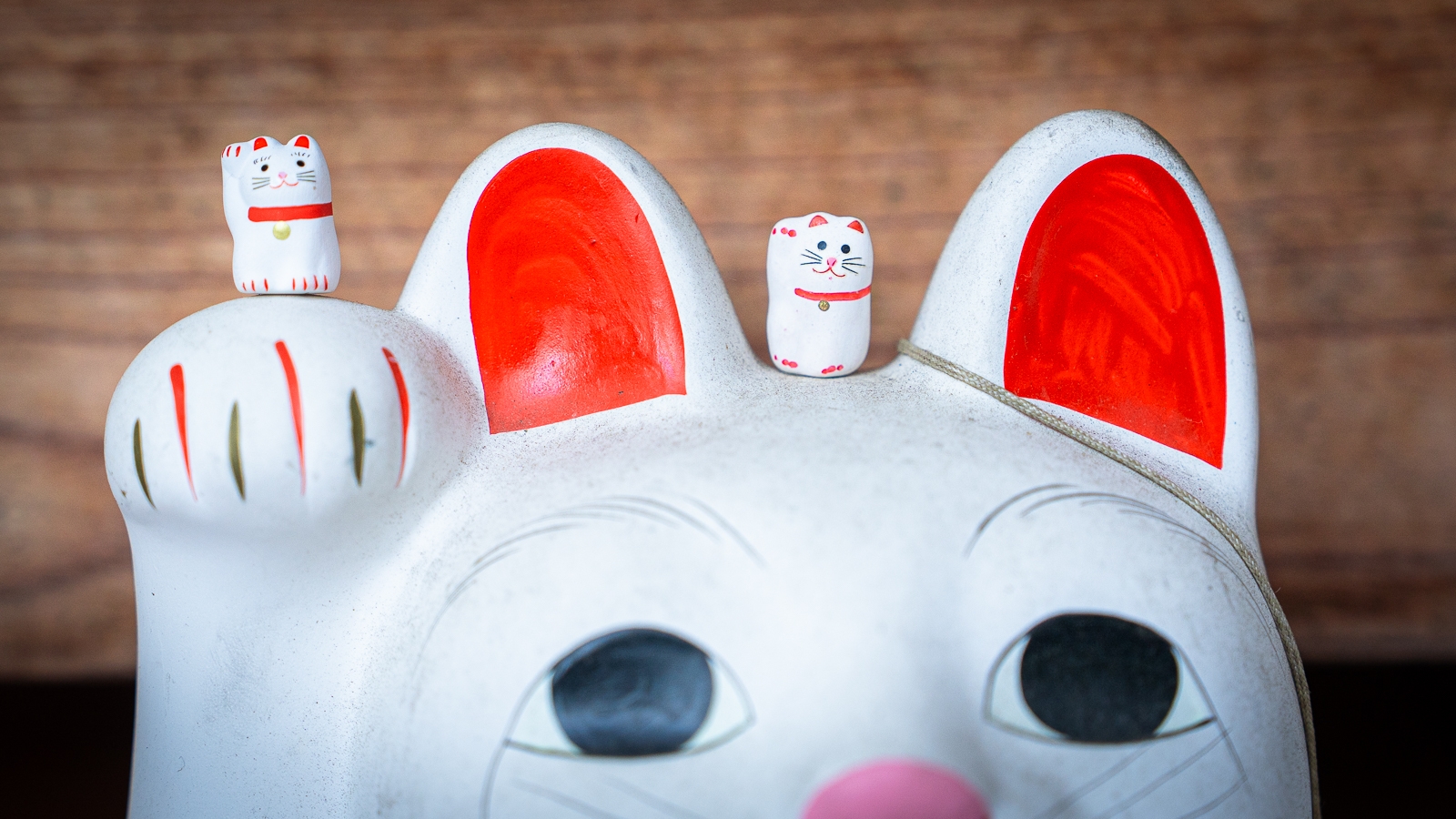
Smaller offerings rest on larger forms.
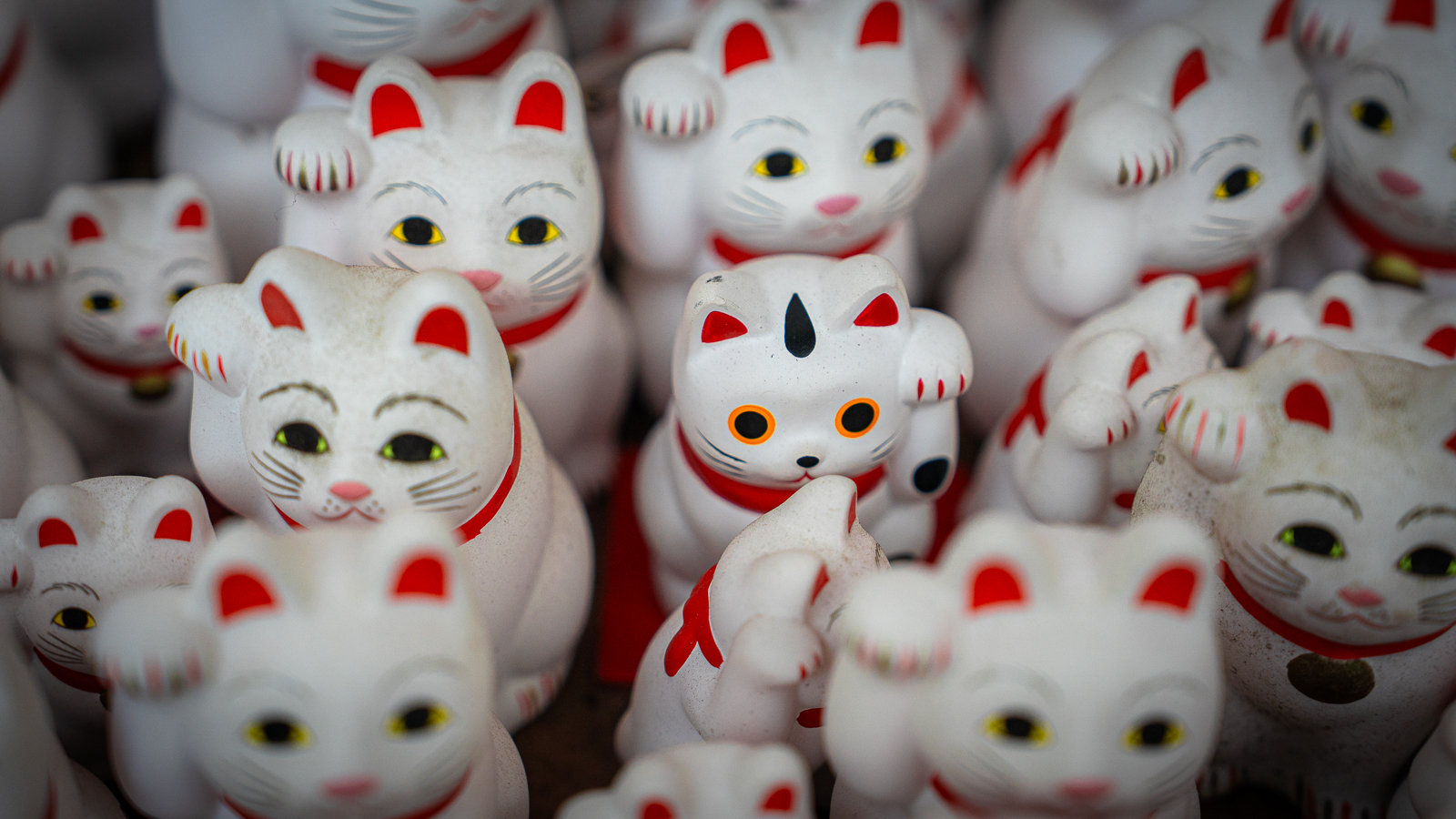 Look long enough and find some subtle differences
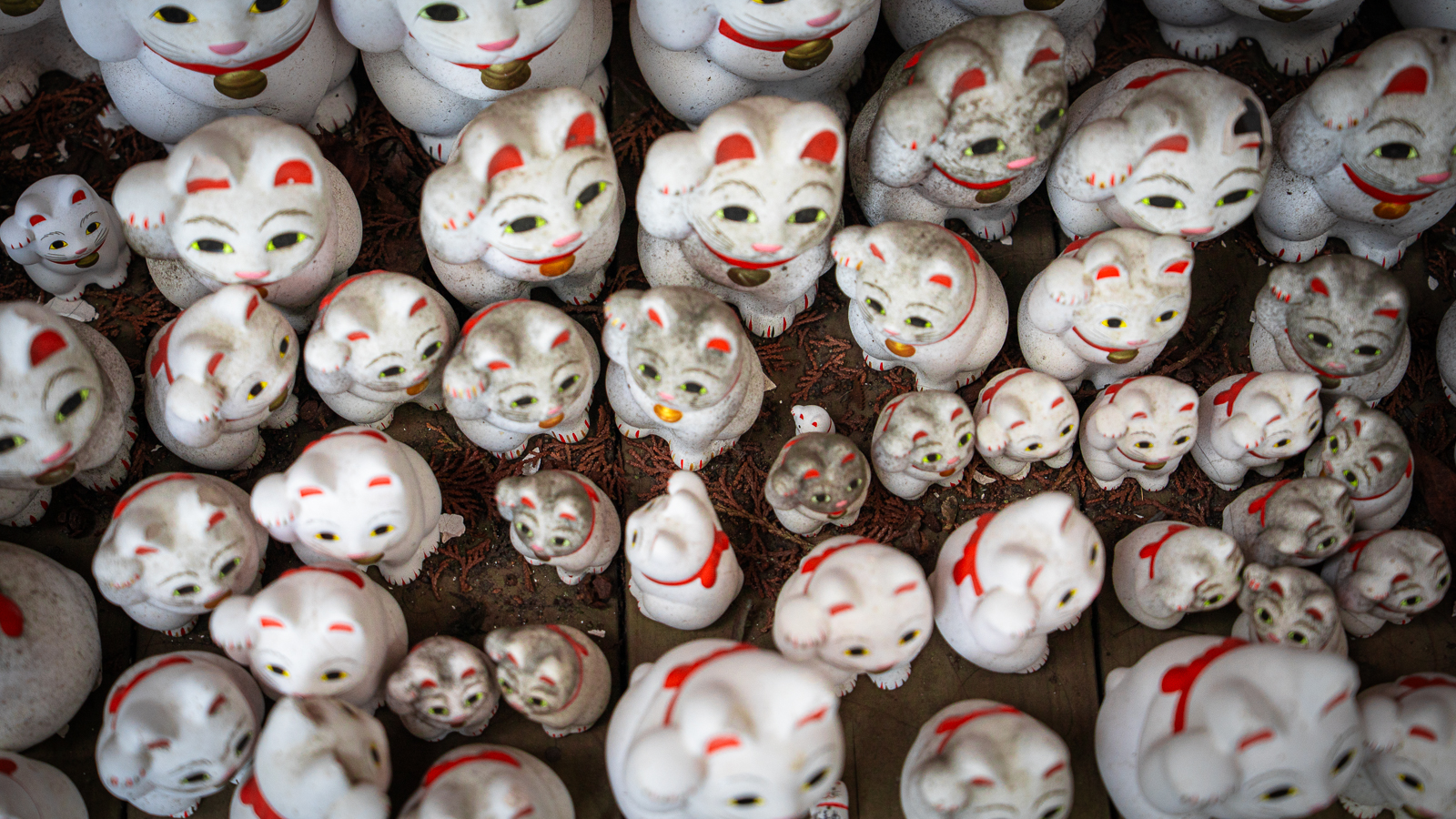 Time leaves its marks.
Each cat stands in for a human want. Stay with it long enough, and the spectacle falls away. What remains are the hopes and dreams of people you’ll never meet.
Naturalist’s Notebook

Look beyond the cats
The rows of white cats will demand your attention. Give them a few minutes, then turn away. Look at the temple buildings, cemetery, trees, worshippers, stonework and paths. What do you notice when you’re no longer focused on the cats?

Ask
At first glance the hundreds of white figures can look all the same. But move closer and you’ll see different sizes, a few different designs, and evidence of age. Look for variations in weathering, placement, and expression. The cats look similar, but they represent very different human emotions.