

Travel like a naturalist!
I discovered a different way to travel
It began with learning how to pay attention
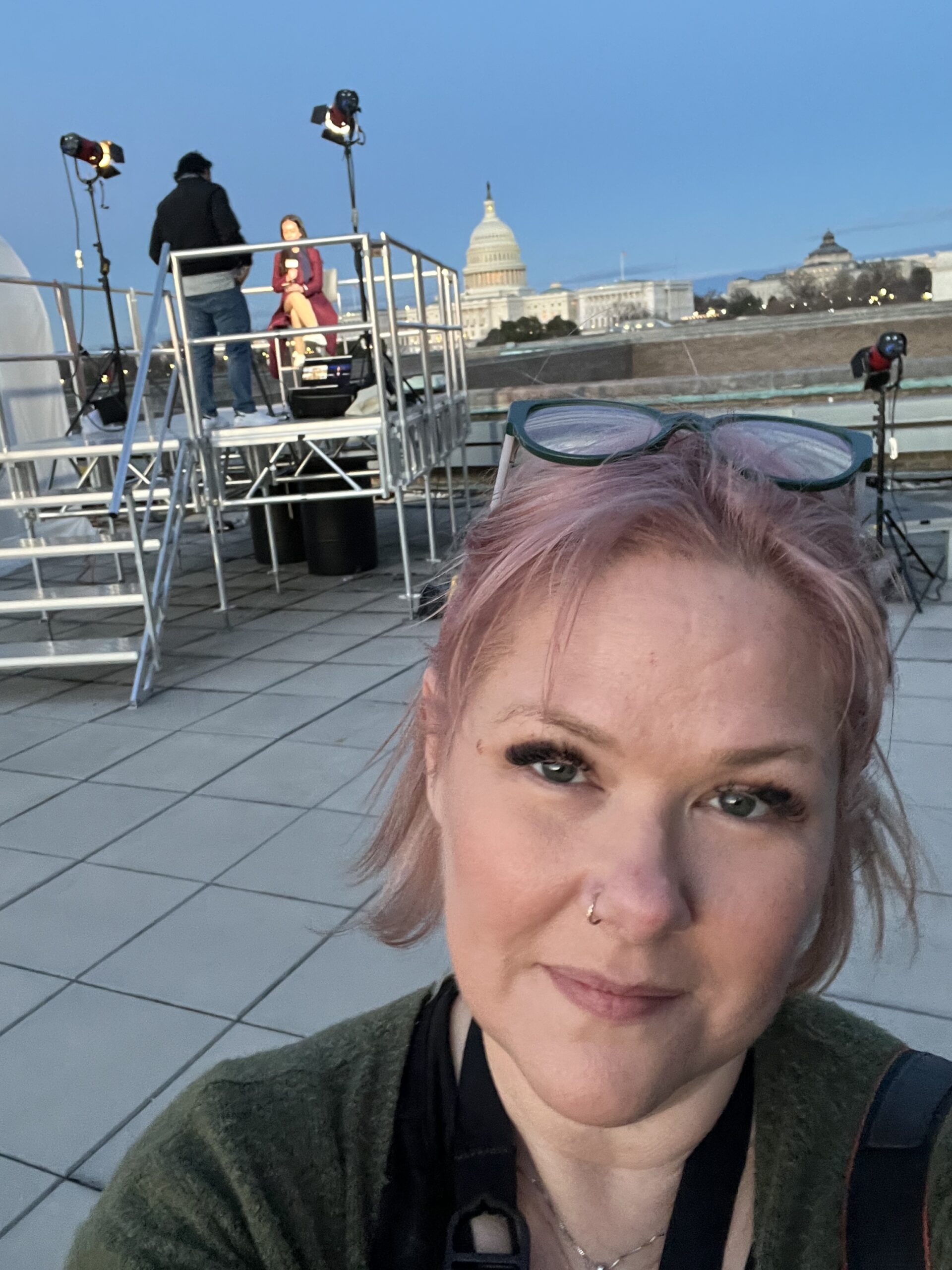
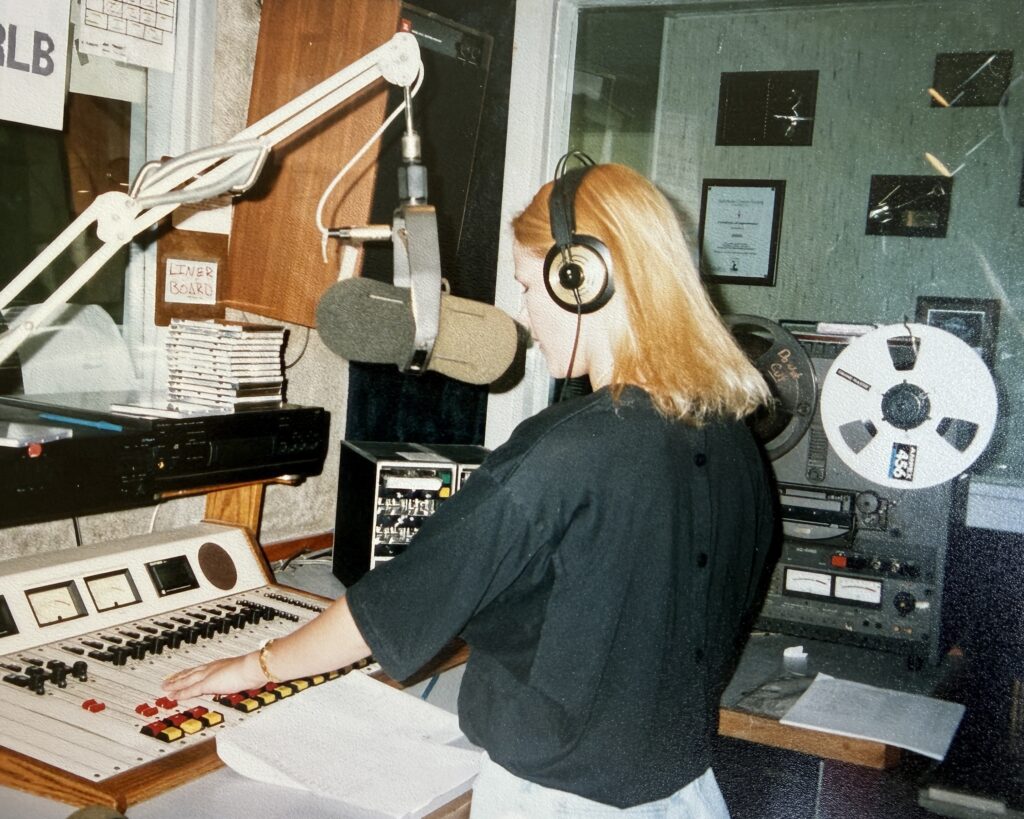
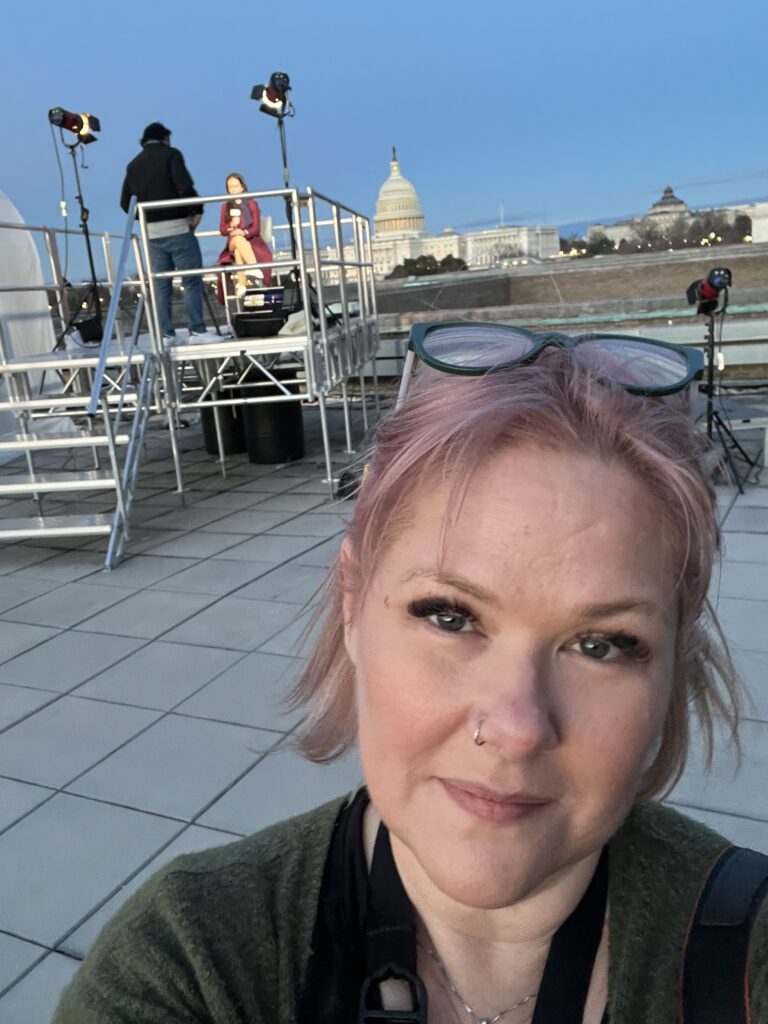
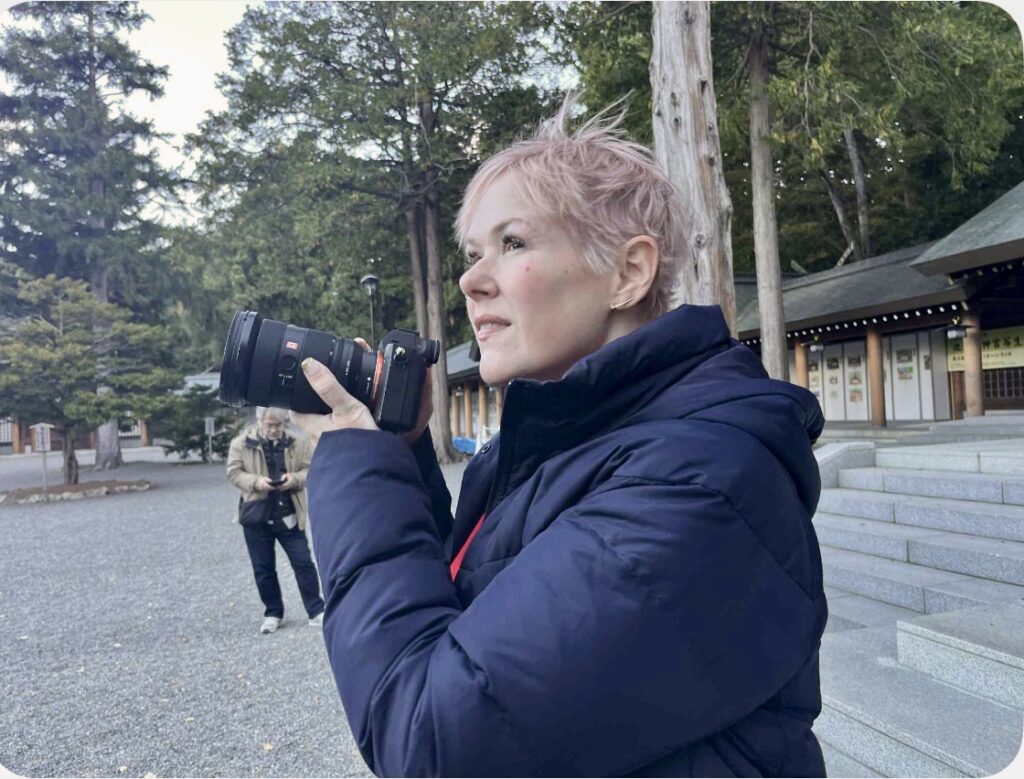
I’ve spent a lifetime asking questions. As a journalist, I learned to listen. As a photographer, I learned to see. As a communications professional, I learned to package it all up. But it wasn’t until I became a Master Naturalist that I learned how to slow down and pay deep attention to how those threads came together.
Master Naturalist programs train volunteers to observe and interpret the natural world, helping others recognize patterns and understand the relationships that shape a place. Once I started applying those skills to my travels, it transformed every place I visited — cities and markets, museums and cafés, landscapes and train stations.
That is what Field Marks is all about. It’s where I share Sightlines, (photograph essays), Soundscapes (field recordings), stories, and a Naturalist’s Notebook, which offers practical ways to help you notice more, ask better questions, and experience each place with greater depth, confidence, and connection.
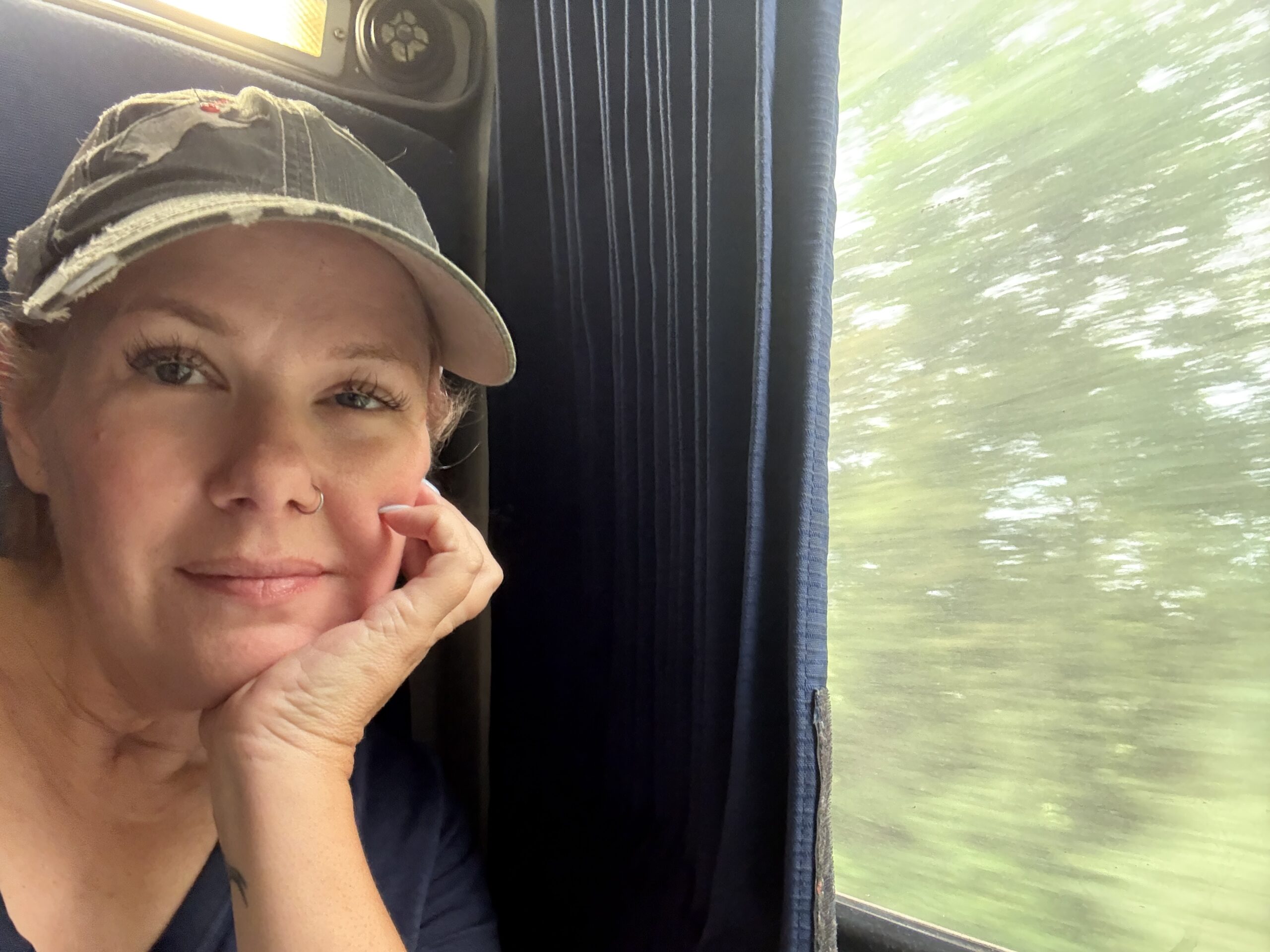
Slow travel isn’t about doing less. It’s about going deeper.
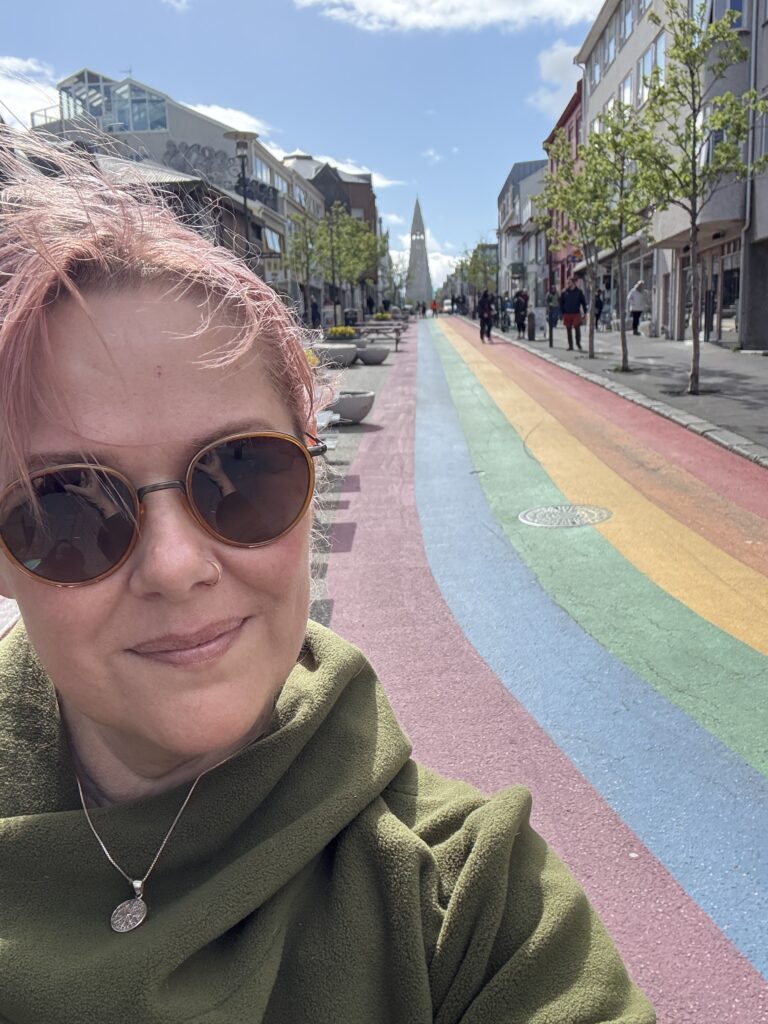
Behind this project
A lifetime of questions eventually became Field Marks.
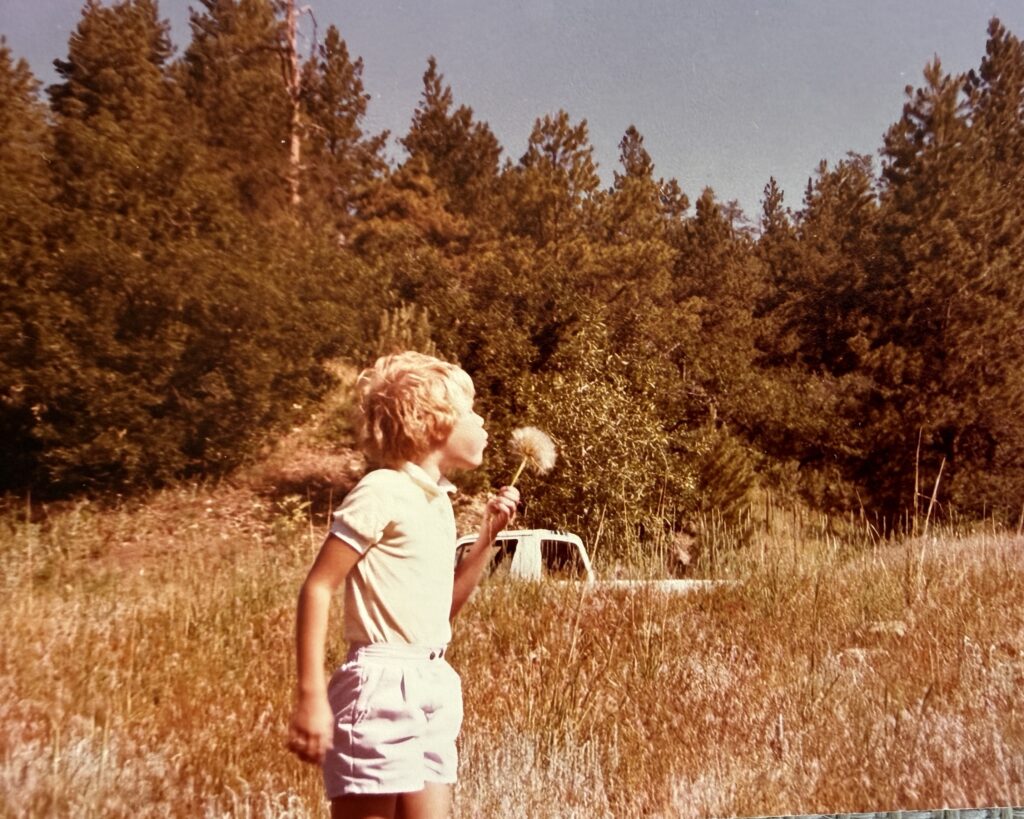
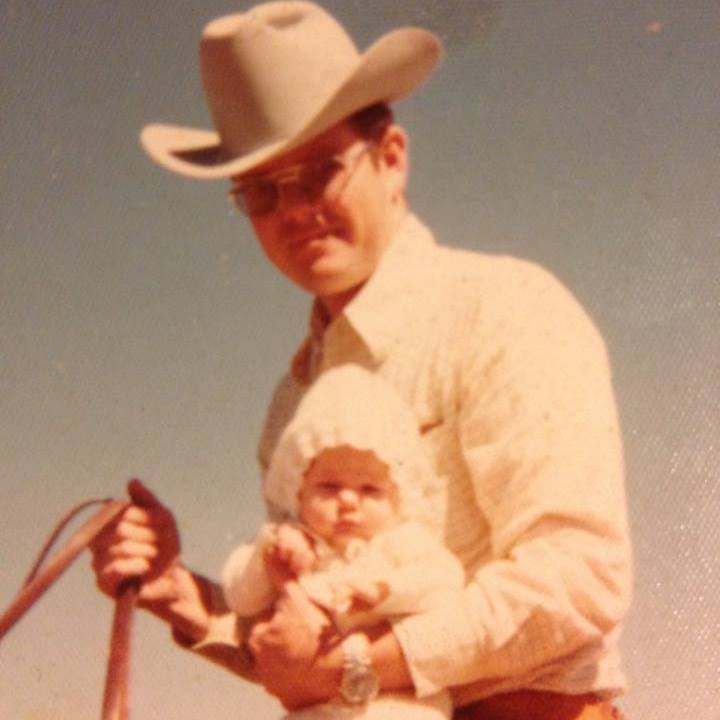
Long before I carried a camera or notebook around the world, I was climbing fences, chasing horned toads, and exploring the Texas cattle ranch where I grew up. I didn’t know it then, but I was learning to pay attention to weather, wildlife, seasons, and the countless ways people and the land shape each other.
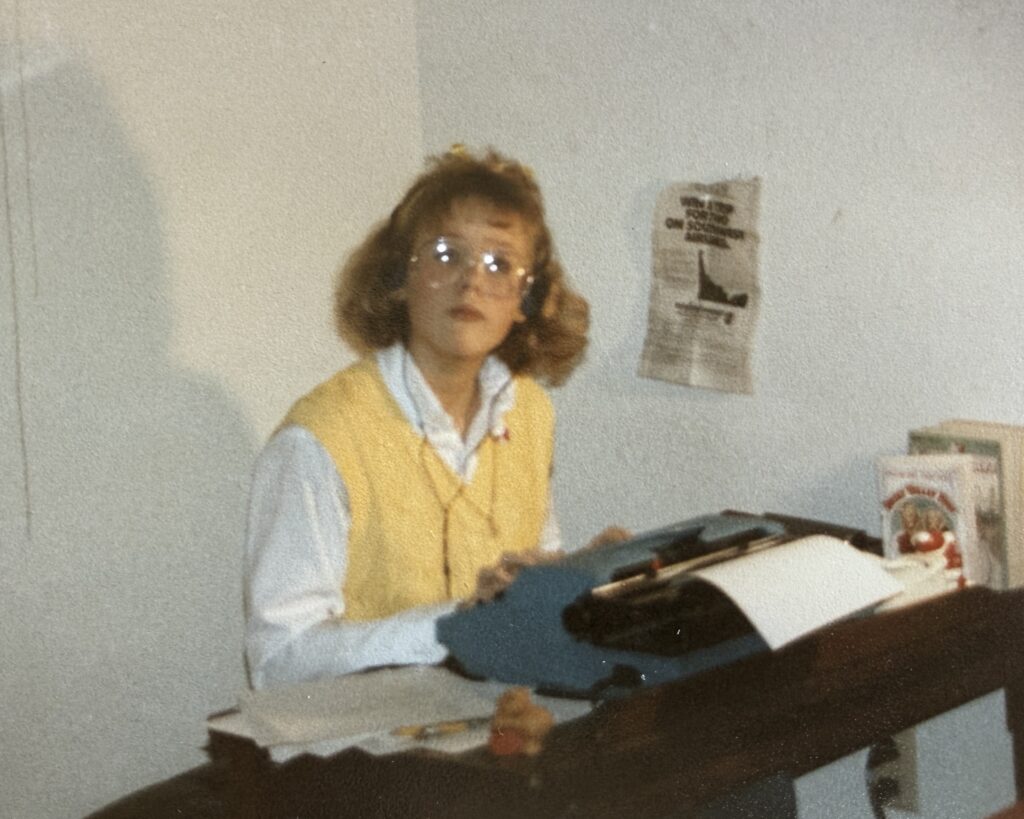
That instinct followed me into a career spanning journalism and communications. I learned how to research unfamiliar subjects, listen for what matters, find the larger story in small details, and translate complex ideas into something other people could understand and care about.
When I became a Master Naturalist, I expected to learn more about ecology. Instead, I learned a new way of paying attention. The training reinforced something I’d sensed for years: that every place is made up of many webs of relationships, and the more we understand those connections, the richer our experience becomes.
Once I started seeing the world this way, I couldn’t stop. It reminded me that travel could be richer, more thoughtful, and more rewarding than the algorithm was leading us to believe. Once I realized how careful and intentional observation could transform the way we travel, I knew I wanted to help other people experience that transformation too.
My Guiding Principles
I travel for
understanding
I carry home
stories
I believe
every trip has consequences
I return
to see what’s changed
I travel like
a naturalist
I notice
the details others walk past
I spend money on
local people and businesses
I try to leave
as little trace as possible
I measure a trip
by what changed me
I’ll never forget
someone calls this place home
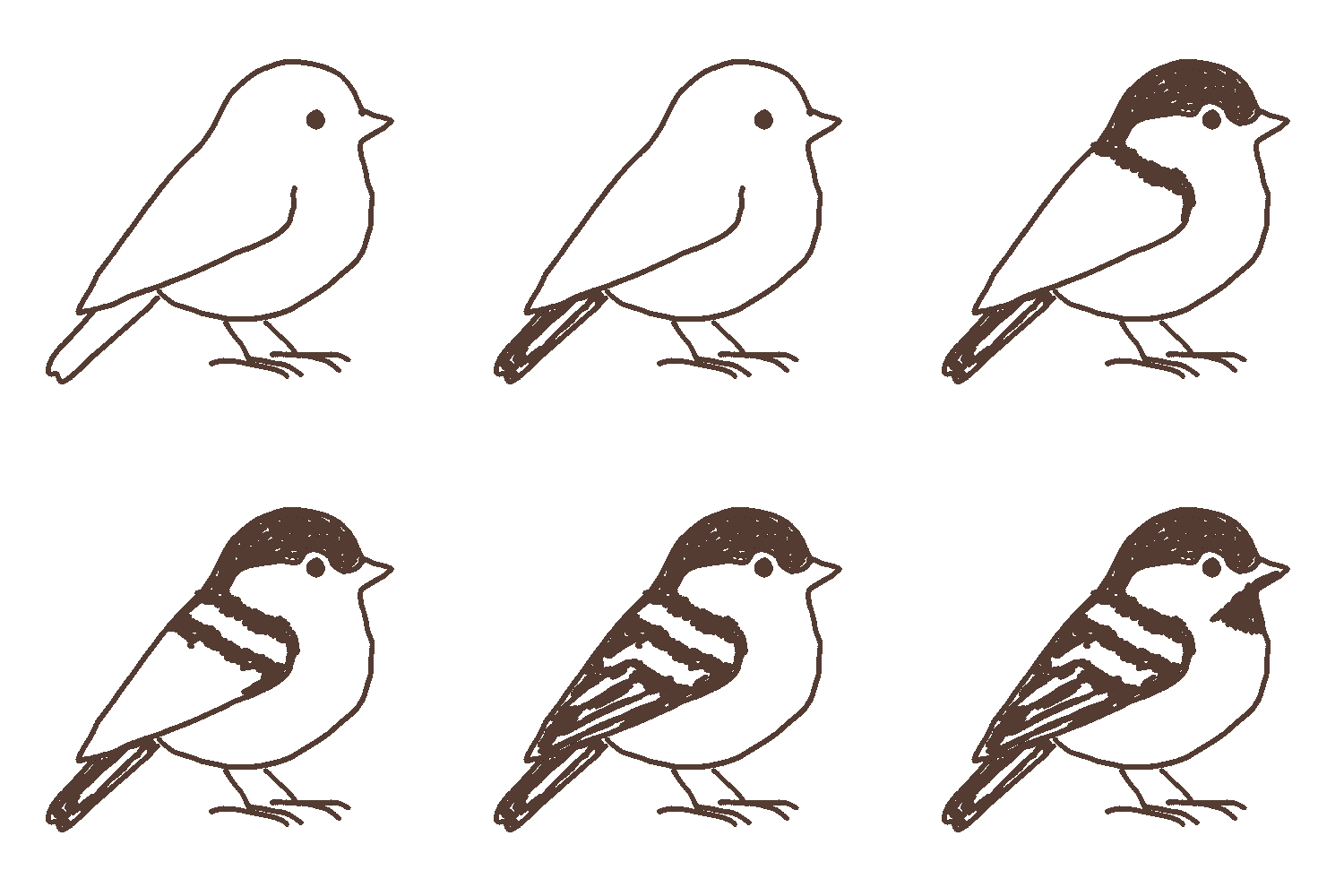
Why “Field Marks?”
Birders use the term “field marks” to describe unique characteristics (like colors, patterns, behaviors) that make it possible to identify a species. If, that is, you know what to look for.
I believe places have field marks, too. They’re found in the sounds of a market, the ingredients in a meal, the way a neighborhood is built, the stories people tell, and the traces history leaves behind.
Once you learn to recognize them, every destination begins to reveal something about itself. That’s the way I travel now, and it’s the perspective I hope to share through Field Marks.
start exploring
There’s more than one way to experience a place
Whether you prefer to read, listen, look, or plan ahead, each part of Field Marks offers a different way to connect with a place. Start wherever you’re most curious.
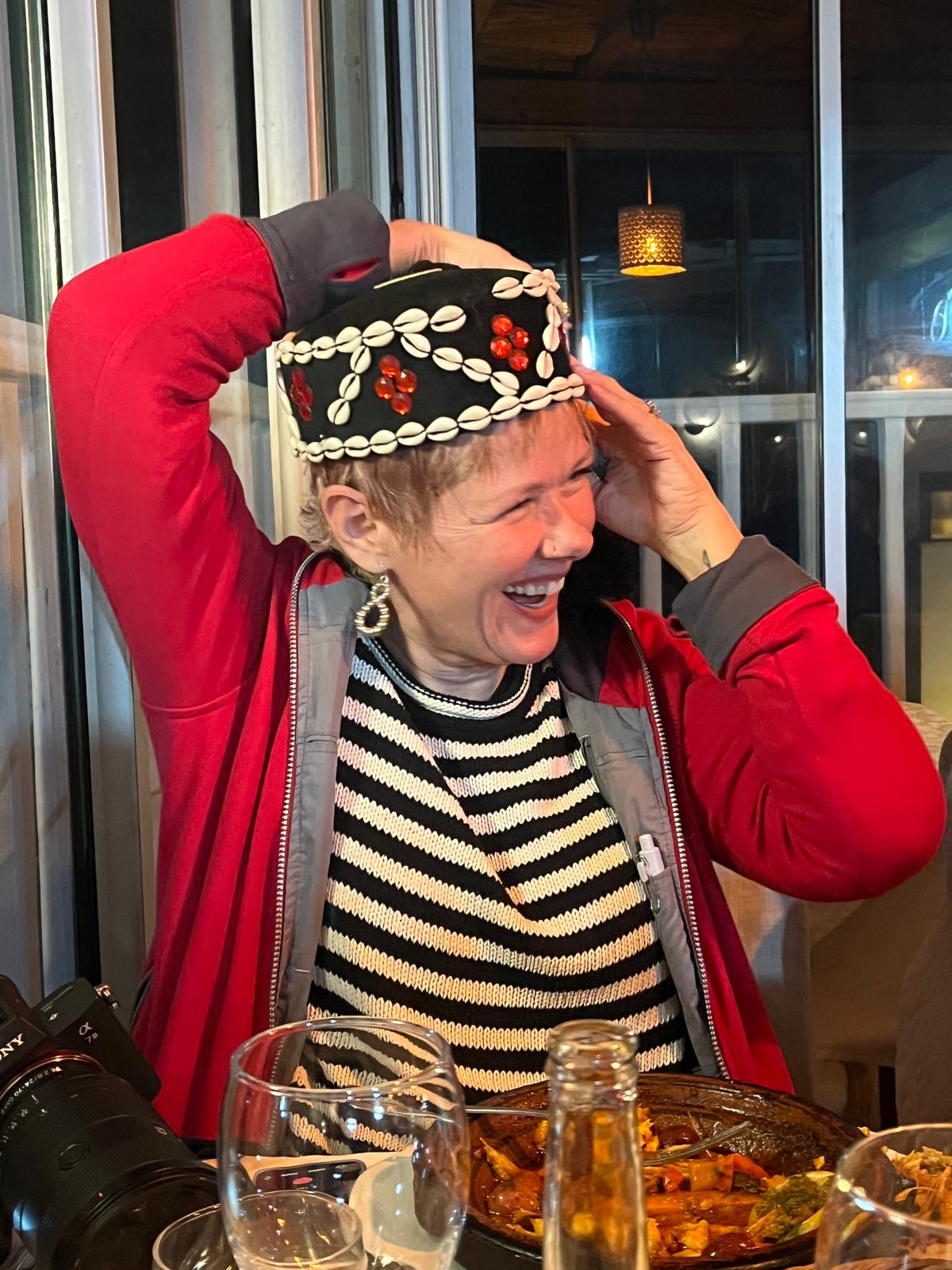
The story continues
What we bring home matters, too
Some journeys keep unfolding long after we return home. I invite you to join me in exploring the questions, memories, and unexpected lessons that travel leaves behind. Subscribe to receive these personal essays, along with updates on new Stories, Sightlines, and Soundscapes.