📷 Autumn Quiet at Hokkaido-Jingu
When Japan restructured its government in 1871 and extended its control into Hokkaido, Emperor Meiji named three guardian gods, Okunitama, Onamuchi, and Sukunahikona, to watch over the unfolding future of Hokkaido. A small sanctuary called Sapporo-jinja was built, and it slowly became more and more reocgnized. Then, almost 100 years later, in 1964, the soul of Emperor Meiji himself was added as a fourth deity there, and the shrine was renamed Hokkaido-Jingu.
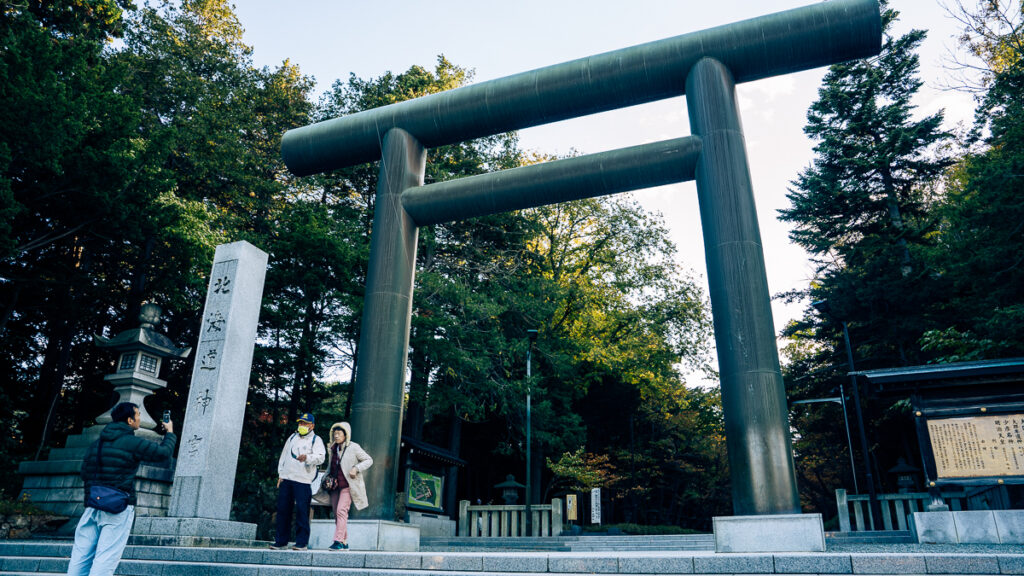 Visitors pause at the torii gate marking entry into Hokkaido-Jingu
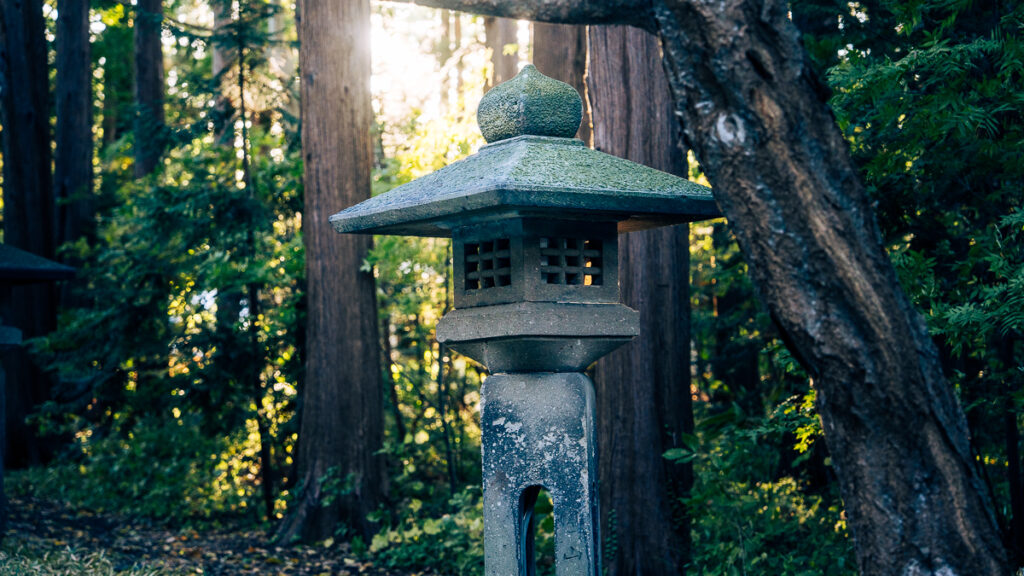 Light and shadow play across a weathered lantern.
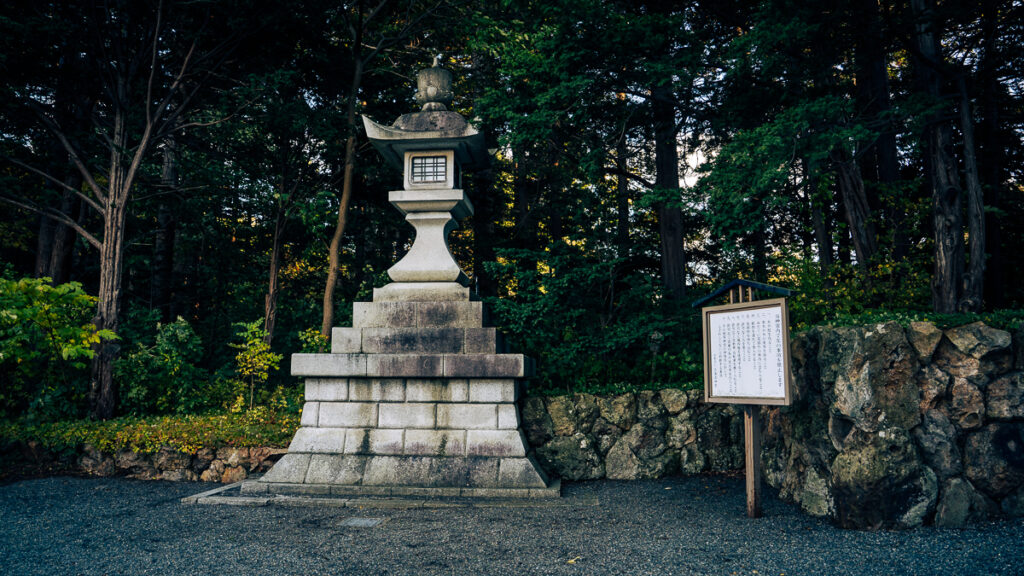 Stone lanterns trace the path toward the sanctuary
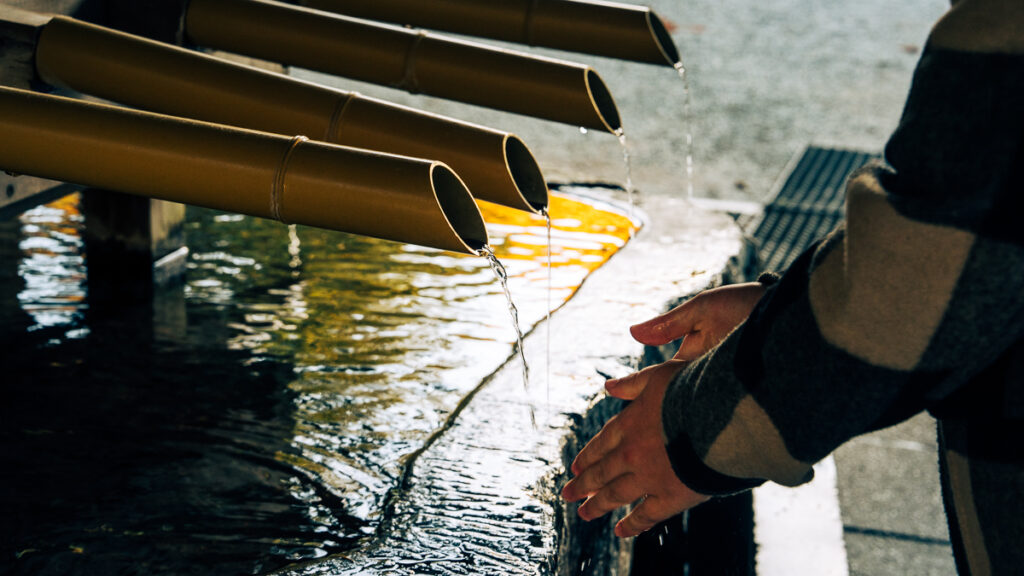 Ritual cleansing before entering sacred space
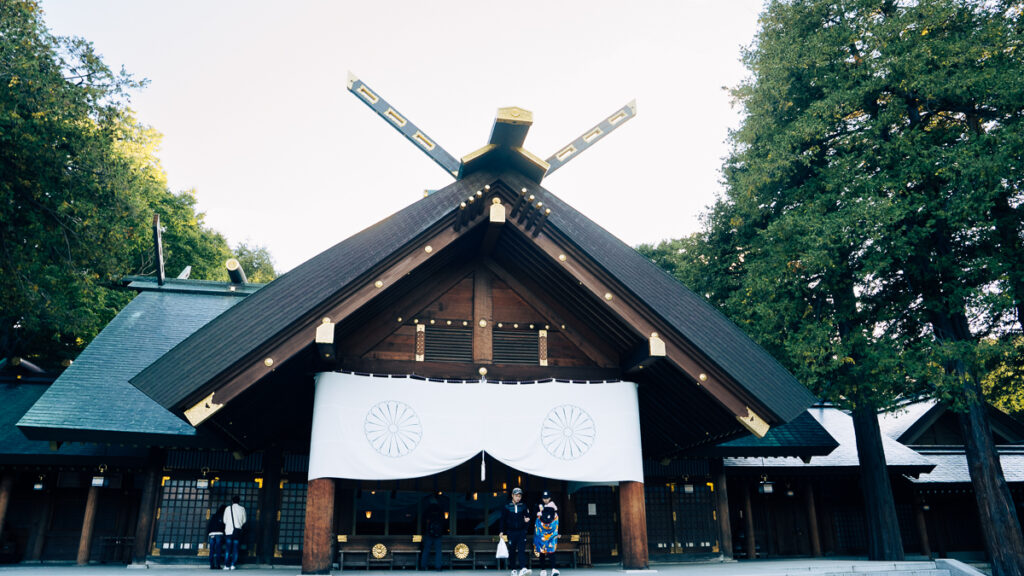 The imperial chrysanthemum marks this sanctuary’s deep history
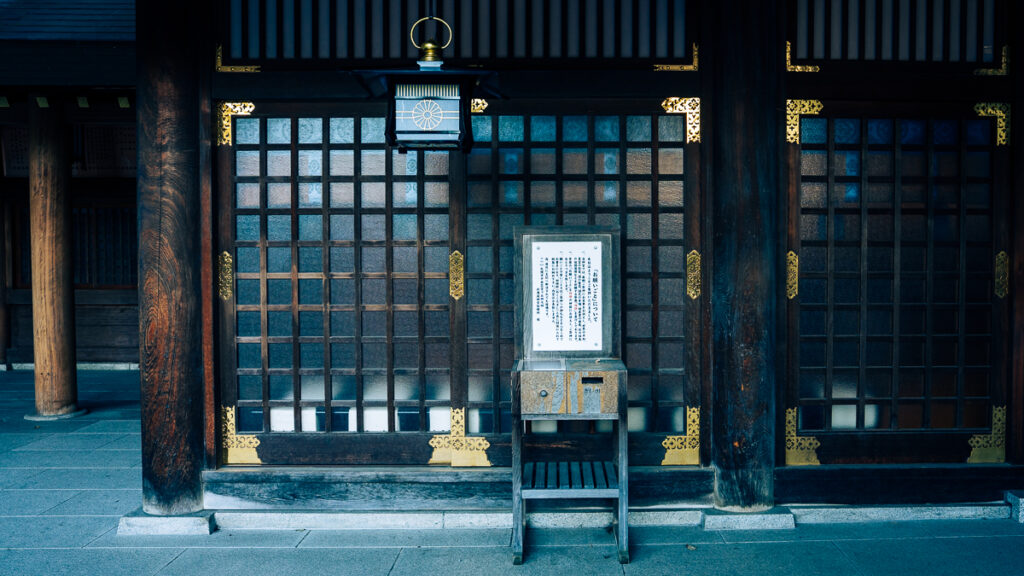 Wooden textures hold years of devotion
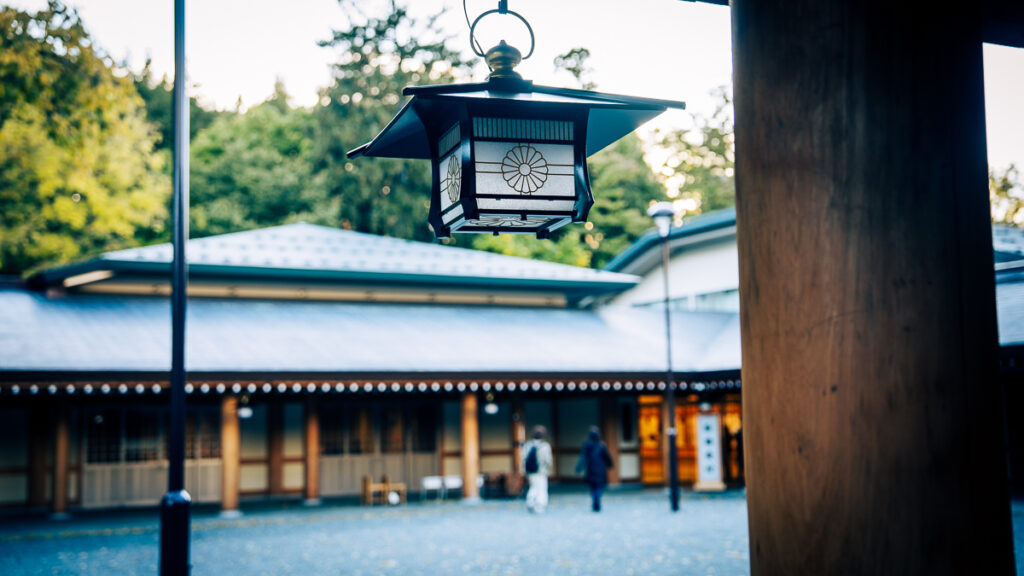 A lantern bearing the chrysanthemum symbol
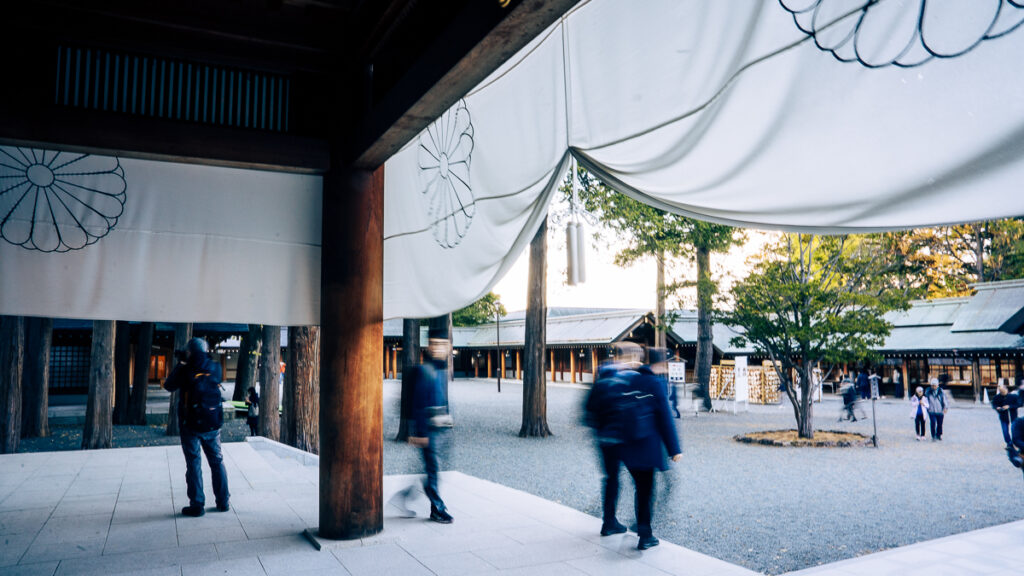 From within the sanctuary, visitors gather in the open courtyard beyond
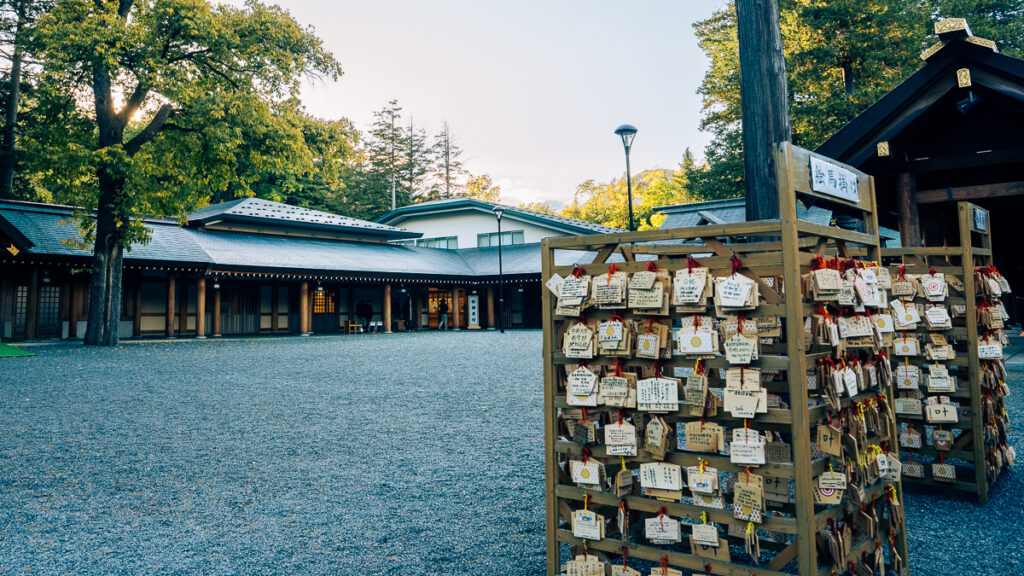 Wooden ema hold visitors’ wishes and prayers
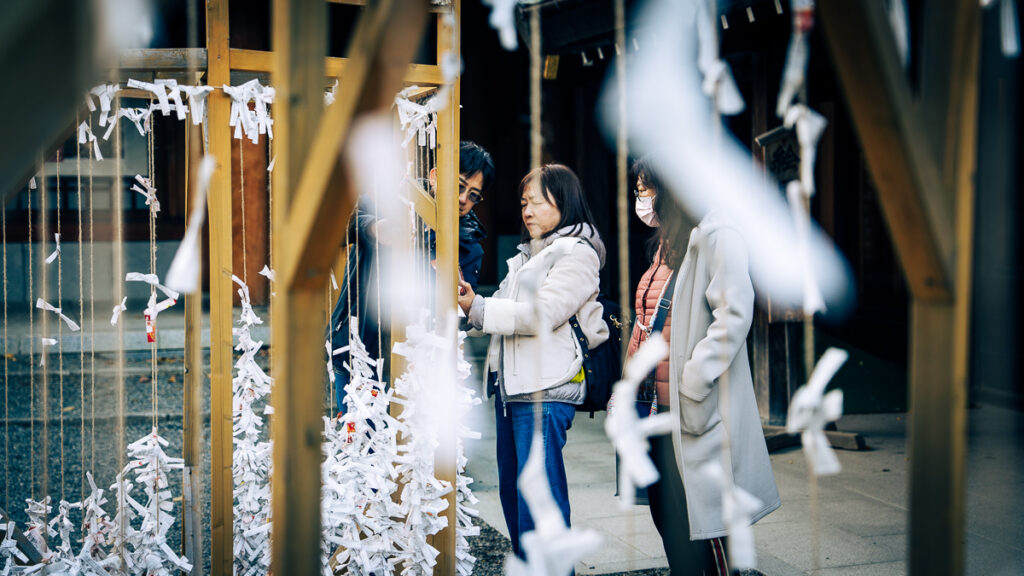 Reading an omikuji fortune
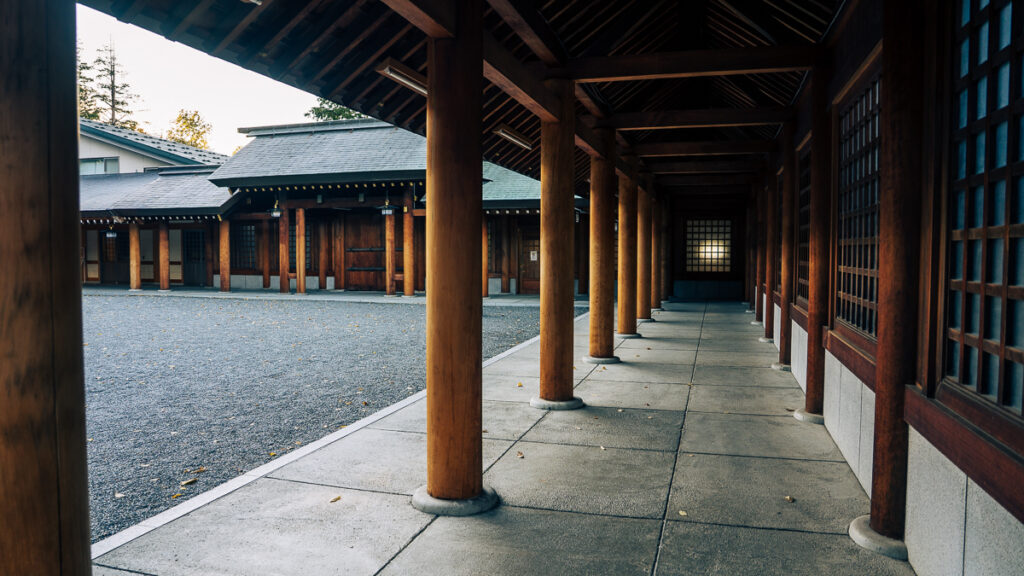 Wooden passageways connect sacred spaces
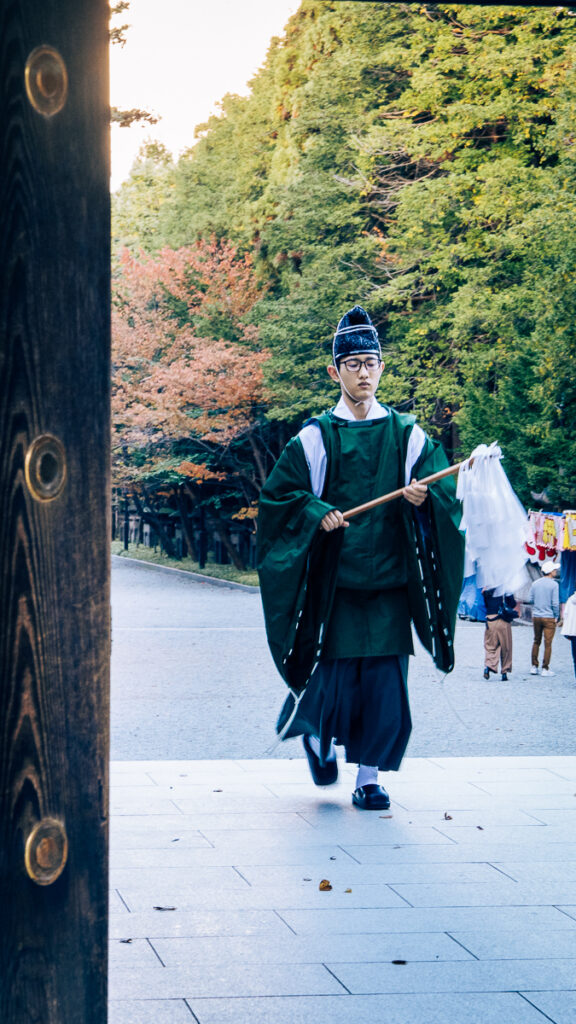 A Shinto priest carries a harai gushi, used for purification rituals
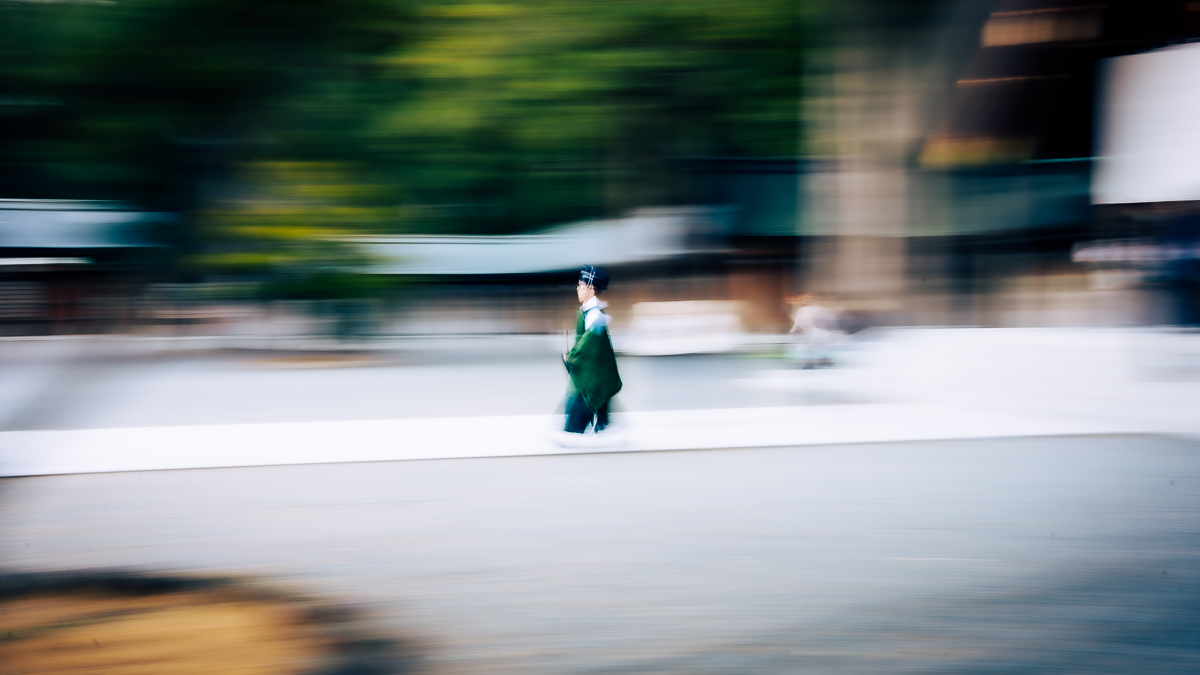
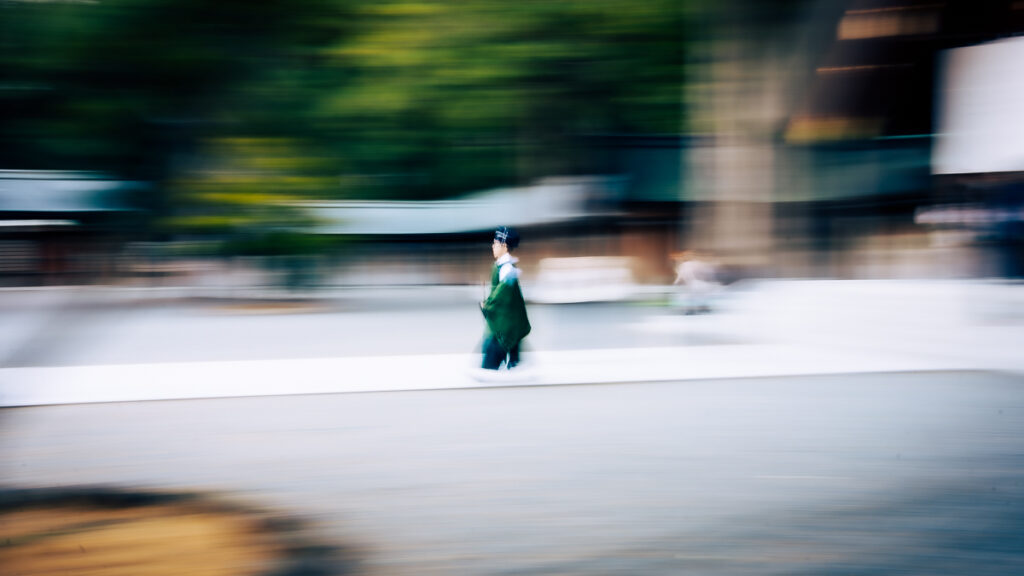 A moment of ceremony in motion across the courtyard
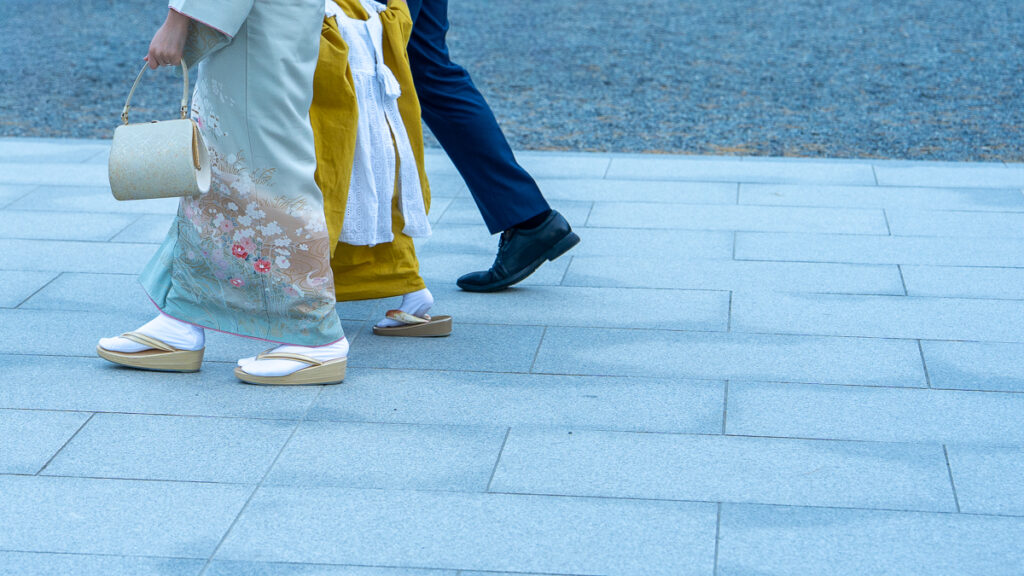
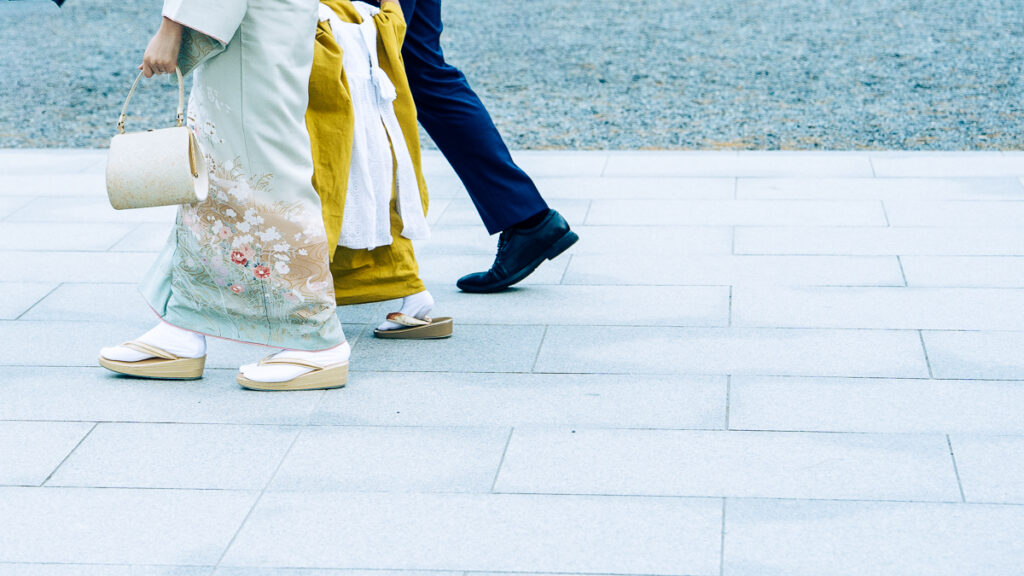 Living traditions: a family departs after a ceremony.
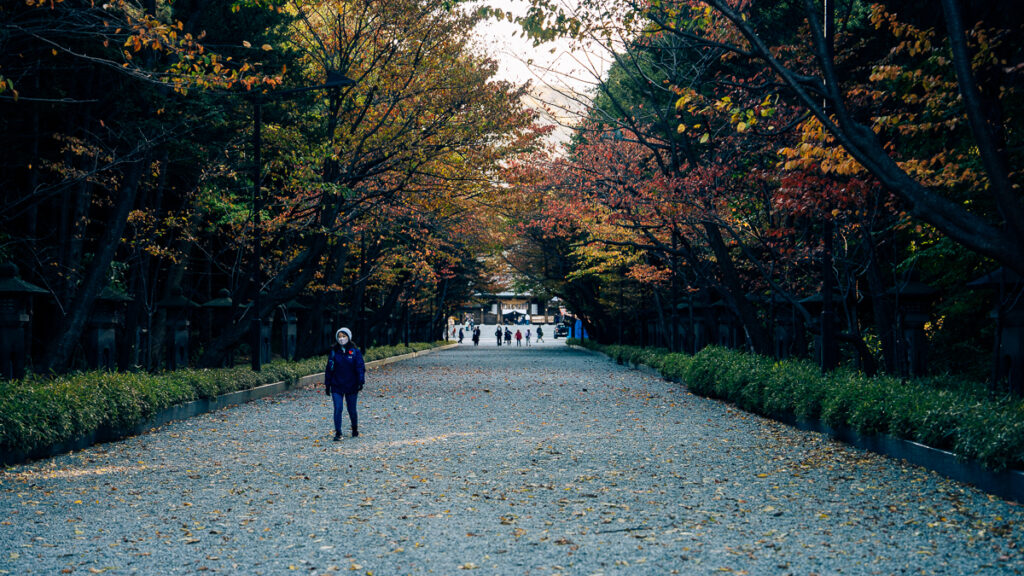 A quiet walk beneath autumn leaves on the main approach to the shrine
The main building you see today is a restored version after a fire destroyed the original in 1974. The beautiful wooden structures, old trees, and wide gravel paths provide a calm that you can feel as soon as you walk through the gate.
Naturalist’s Notebook
Notice
Find a place to sit and watch as people visit the shrine. Observe three different visitors and note —not intrusively—their sequence of steps from arrival to departure. How are they different or the same? How much can you understand from their movement alone?
Create a sound diary
Stop and listen for a few minutes. Make a list of all the sounds you hear. Be sure to include sounds that come from natural, living things; natural non-living things; humans, and human-made things.

Ask
What is the oldest things you see? What is the youngest? (Keep in mind some of these buildings have been restored, so this might take some investigating on your part.)