🔊 The Afternoon Voice of the Koutoubia
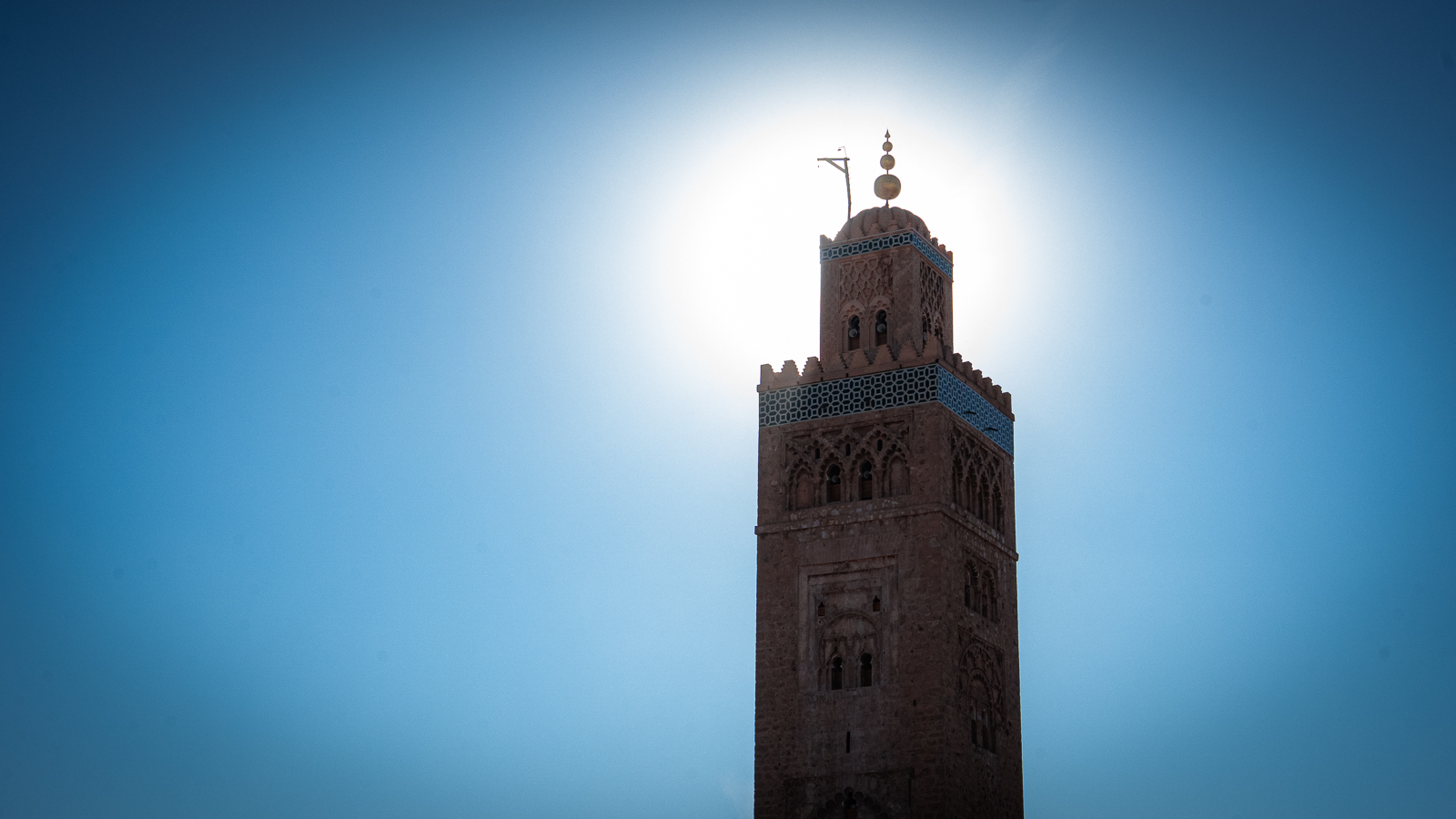
The late-afternoon call to prayer beside Jemaa el-Fnaa
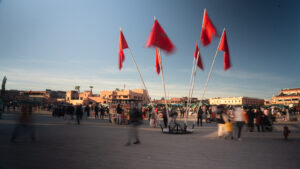
Just after 4:00 p.m. on January 13, 2026, the day in Marrakesh shifted. From the minaret of the Koutoubia Mosque, the Asr call to prayer spread out across the southwest medina, drifting over traffic circles, gardens, and the first stirrings of Jemaa el-Fnaa’s evening market. The mosque, whose name comes from kutubiyyin—“booksellers” who once worked nearby —has long stood as both a geographic and cultural reference point.
The five prayer times in Arabic
fajr (فجر), dhuhr (ظهر), asr (عصر), maghrib (مغرب), and isha (عشاء).
I listened from the corner of Avenue Hommane al Fatouaki and Avenue Jamaa el Fnaa, and the call threaded through traffic, footsteps, and distant conversation. As you can hear in this recording, the city didn’t stop; it just adjusted, daily life unfolding around a familiar voice that marks the passage of time.
Naturalist’s Notebook

Observe
Sit quietly and watch, respectfully, to see how people respond to the call to prayer.

Listen
Depending on location, local phrasing, time of day, style, and other variables, the calls of prayer can be very different. Even if you don’t speak Arabic, can you hear the differences throughout the day? Or from different mosques?

Watch
Some calls to prayer are recordings, others recited live by a muezzin. Can you see him in the minaret? Keep watching after the call is done; or start watching when it is time (a simple internet search will tell you when the next call is scheduled in your location)